 English
  Українська
  Čeština
 The Mother of Modern Coffee
Typica is one of the two foundational cultivar lineages of Arabica coffee, and its journey from the forests of Ethiopia to every coffee-growing continent is one of the great botanical migration stories in human history. Genetically speaking, Typica represents the narrow stream through which most of the world’s coffee passed — a lineage carried from Ethiopia to Yemen, from Yemen to India and Java, and from Java to the botanical gardens of Amsterdam, whence cuttings spread to the Americas and beyond. Nearly every major Arabica cultivar can trace at least part of its ancestry to Typica. To understand this variety is to understand the root system of the entire coffee world.
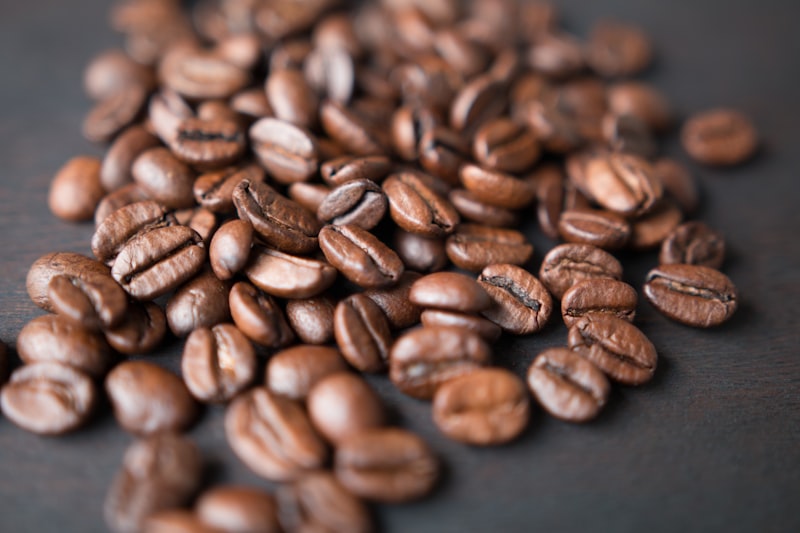
Typica plants are tall with elongated, bronze-tipped young leaves and a distinctive conical canopy shape
History and Spread
The story begins in the early 1600s when coffee seeds from Yemen reached the Dutch colony of Java. A single plant was later sent to the Amsterdam Botanical Garden in 1706 — one of the most consequential horticultural transfers in history. From that specimen and a small number of others, cuttings were distributed to French, Portuguese, and Spanish colonies throughout the tropics. A single plant famously survived the ocean crossing to Martinique in 1723, nursed by French naval officer Gabriel de Clieu, who reportedly shared his own water ration with the seedling during a drought at sea. By the late 1700s, Typica-derived trees were growing in Brazil, Jamaica, and across Central America. This extreme bottleneck — the global coffee industry descending from a handful of plants — is both Typica’s extraordinary legacy and its genetic limitation.
Jamaica’s famous Blue Mountain coffee is a Typica variety, prized for its clean sweetness, mild acidity, and silky body. The combination of Typica genetics and Jamaica’s misty highland terroir at 900 to 1,700 metres creates one of the most expensive and sought-after coffees in the world.

Typica thrives in remote, high-altitude areas where patient farmers are rewarded with premium cup quality
Characteristics and Challenges
Typica plants grow tall, sometimes reaching 3.5 to 4 metres, with elongated, bronze-tipped young leaves and a conical canopy shape that distinguishes them from the more compact Bourbon varieties. They produce relatively low yields — roughly 20 to 30 percent less than Bourbon — but reward patient farmers with cup quality that remains a benchmark for elegance. In the cup, well-grown Typica delivers clean sweetness, gentle citric acidity, a silky medium body, and delicate floral or tea-like undertones. As the World Coffee Research Variety Catalog notes, Typica’s cup quality is “often used as a reference standard” against which other varieties are measured.
The variety is highly susceptible to coffee leaf rust and coffee berry disease, which is why many producing countries have replaced it with more resilient cultivars. Where Typica survives — often in remote, high-altitude areas or on tradition-minded farms in places like Kona, Jamaica, and parts of Central America — it commands premium prices that reflect both its rarity and its remarkable cup character.
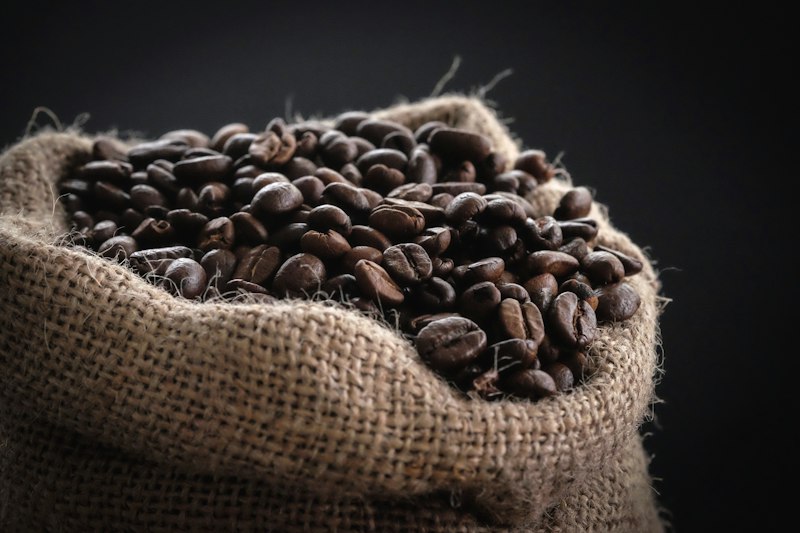
Typica cherries mature slowly at altitude, developing the complex sugars and delicate organic acids that define the variety’s elegant cup profile
Offspring and Legacy
Typica’s genetic fingerprints appear throughout the cultivar family tree, a testament to its foundational importance. Maragogipe, the famous “elephant bean” mutation with its dramatically oversized seeds, arose from Typica stock in the Bahia region of Brazil around 1870. Kona Typica defines Hawaiian coffee and its prized buttery, nutty character. Blue Mountain, Kent, Amarello de Botucatu, and many other named varieties are all Typica descendants. Java, the variety named after the island where Typica first took root outside Arabia, was reintroduced to Central America in the 1980s and produces rich, herbal cups. Even modern F1 hybrids developed by World Coffee Research for disease resistance often include Typica genetics to maintain cup quality. Understanding Typica is understanding the single root from which much of the coffee world grew.
Further Reading
- The World Atlas of Coffee by James Hoffmann — traces Typica’s journey from Yemen to the global coffee industry
- Uncommon Grounds by Mark Pendergrast — the full history of coffee trade and the varieties that shaped it
- World Coffee Research Variety Catalog — detailed agronomic and sensory profiles of Typica and its descendants
Related Topics
Bourbon
Bourbon is Arabica's second foundational cultivar — named after Réunion island, prized for rich sweetness, chocolate notes, full body, and complex fruit.
getting-startedArabica (Coffea arabica)
Arabica accounts for 60% of global coffee production and virtually all specialty coffee. Here is what separates it from Robusta — genetics, altitude, and cup character.
varietyWhat are Coffee Varieties?
Coffee varieties — Typica, Bourbon, Gesha, SL28 — are the genetic blueprints behind every cup. A guide to what they are, how they differ, and why variety matters for flavour.
varietyGesha (Geisha)
Gesha is the most celebrated variety in specialty coffee — tracing its origins to Ethiopia, then Panama, where it stunned the world with jasmine florals and bergamot complexity.