 English
  Українська
  Čeština
 Natural processing — also called dry processing — is coffee in its most elemental form. No machinery, no fermentation tanks, no rushing water. Just ripe fruit, sunlight, and time. Whole, intact cherries are spread across drying surfaces and left to dehydrate slowly over two to four weeks, the fruit flesh fermenting and caramelising around the seed as moisture escapes. The result is a coffee that tastes like nothing else: bold, fruity, wine-soaked, and sometimes thrillingly wild. It is the oldest processing method on earth — practised in Ethiopia and Yemen for centuries before anyone thought to add water to the equation — and today it produces some of the most sought-after specialty lots in the world.

Whole cherries drying on raised beds — the signature infrastructure of quality natural processing
How It Works
After selective hand-picking — only fully ripe cherries should be chosen, as underripe fruit introduces grassy, astringent notes — the cherries are sorted to remove floaters, damaged fruit, and foreign matter. They are then laid out in thin, even layers on raised drying beds (the preferred surface for specialty-grade naturals) or concrete patios.
What follows is a slow, labour-intensive dance with the sun. Workers turn the cherries by hand every 30 to 45 minutes during the hottest hours of the day to prevent mould and ensure even dehydration. At night, or during unexpected rain, the cherries may be covered with tarps or stacked to retain warmth. The entire process typically takes 15 to 30 days, depending on ambient temperature, humidity, and airflow. James Hoffmann notes in The World Atlas of Coffee that this extended drying period is “essentially an extended, uncontrolled fermentation” — one that demands constant vigilance.
The target is a moisture content of roughly 11 percent, measured with a handheld moisture meter. Once achieved, the dried cherries — now dark, shrivelled, and crackling like dried fruit — are hulled by machine to strip away the desiccated skin, mucilage, and parchment in a single pass, revealing the green bean inside.

Coffee farms in highland regions provide the warm days and cool nights ideal for slow, even cherry drying
The best natural coffees walk a razor’s edge between controlled fermentation and spoilage. When executed well, they deliver explosive fruit flavours; when mishandled, they taste dirty, musty, or phenolic — defects that cupping judges call “fermenty” or “rioy.”
Flavour Profile
Natural coffees are the maximalists of the specialty world. Expect bold, saturated fruit — blueberry jam, ripe strawberry, tropical mango, passion fruit — layered over a heavy, syrupy body that coats the palate. Fermentation contributes wine-like or boozy undertones, and sweetness tends to be pronounced and lingering, often evoking dark chocolate or caramel. Acidity is generally softer and rounder compared to washed coffees, presenting as juicy rather than bright.
These characteristics make naturals polarising. Some drinkers find them thrillingly complex — a single cup can evolve through a dozen flavour notes as it cools. Others prefer the disciplined clarity of washed processing. According to the Specialty Coffee Association’s flavour research, natural processing can increase the concentration of fruity esters in green coffee by as much as 40 percent compared to washed lots from the same farm — a measurable explanation for that intensity.

Naturally processed green beans often show more colour variation than their washed counterparts — a visual echo of the complex fermentation within
Where Naturals Shine
Dry processing is most common in regions where water is scarce or expensive. Ethiopia and Brazil are the two giants of natural coffee production and together account for the majority of the world’s naturally processed output.
Ethiopian naturals from Sidamo, Guji, and Harrar are among the most celebrated specialty coffees on earth. A top-tier Guji natural can deliver an almost psychedelic burst of blueberry and fermented fruit — a flavour profile so distinctive that it has become synonymous with Ethiopian coffee in many consumers’ minds. Jeff Koehler, in Where the Wild Coffee Grows, describes the ancient coffee forests of southwestern Ethiopia as the birthplace of this tradition, where wild coffee cherries have been sun-dried for centuries.
Brazil’s vast natural and pulped-natural output takes a different path, favouring chocolatey, nutty, low-acidity profiles that form the foundation of espresso blends worldwide. Yemen, where all coffee is naturally processed by tradition, produces some of the most distinctive and expensive lots on the market — intensely winey, spiced, and complex.
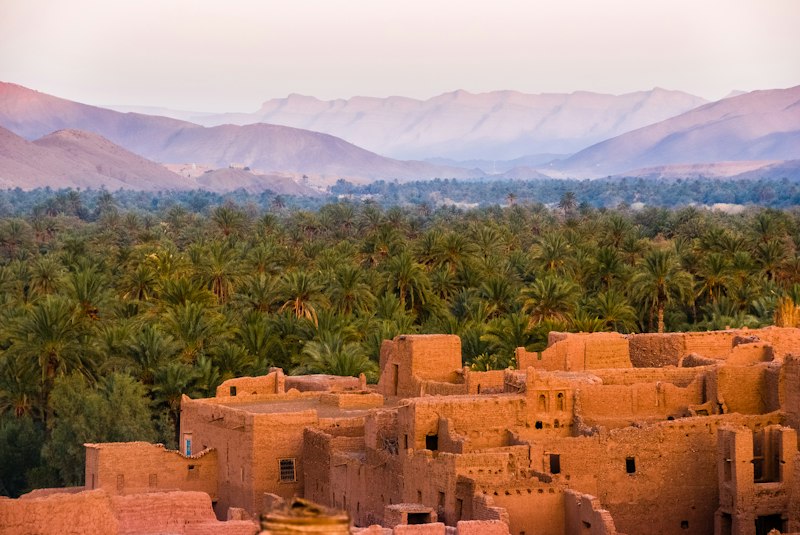
The warm, dry climates of coffee-growing regions provide the consistent sunshine that natural processing demands
The Quality Revolution
For much of the twentieth century, natural processing carried a reputation for inconsistency and defects. Overripe cherries, uneven drying, uncontrolled fermentation, and insect damage plagued many lots, and specialty buyers treated naturals with suspicion. “Dry-processed” was often code for “cheap and unreliable.”
That changed dramatically in the 2000s. Pioneering producers in Ethiopia, Brazil, and Central America invested in raised drying beds (which allow airflow beneath the cherries), rigorous multi-stage sorting, shade structures for controlled drying speed, and precise moisture monitoring. The results were revelatory: natural coffees that were as clean and complex as any washed lot, with an added dimension of fruit intensity that washed processing simply cannot deliver.
Today, the best naturals regularly win Cup of Excellence competitions, score above 90 points on the SCA cupping scale, and command premium prices at auction. World Coffee Research continues to study the microbiology of cherry fermentation to help producers replicate excellence consistently — turning what was once an unpredictable process into a precision craft.
Further Reading
- The World Atlas of Coffee by James Hoffmann — detailed coverage of natural processing across origins
- Where the Wild Coffee Grows by Jeff Koehler — the story of Ethiopian coffee forests and traditional dry processing
- World Coffee Research — post-harvest fermentation studies and variety performance data
- SCA Flavour Wheel — the industry-standard reference for describing natural coffee’s complex flavours
Related Topics
Washed (Wet) Processing
Washed coffee processing removes all fruit before drying to reveal clean, bright cups — floral, terroir-transparent, and prized by the specialty world. The benchmark method.
processHoney Processing
Honey coffee processing retains mucilage on the bean, producing cups that blend washed clarity with natural sweetness and stone-fruit body. White to black honey.
getting-startedWhat is Coffee Processing?
Coffee processing — washed, natural, honey — transforms harvested cherries into green beans and shapes the cup more than almost any other variable, including roast level.
originEthiopia
The birthplace of Arabica and still its most genetically diverse origin — Ethiopia produces florals, berries, and citrus from thousands of heirloom varieties across its highlands.