 English
  Українська
  Čeština
 Coffee Under Pressure
Espresso is not a roast level, not a bean type, and not a blend — it is a brewing method. Specifically, it is the process of forcing near-boiling water through a tightly packed bed of finely ground coffee at approximately 9 bars of pressure — roughly 130 PSI, or nine times the atmospheric pressure at sea level. Whether the beans are Arabica or Robusta, light roast or dark, the method remains the same. The entire extraction takes just 25 to 30 seconds, yet in that brief, pressurised window, espresso extracts a concentrated shot containing more dissolved solids per millilitre than any other common method like pour-over or French press. The result is intense, viscous, and aromatic — a small but powerful expression of the coffee’s character.
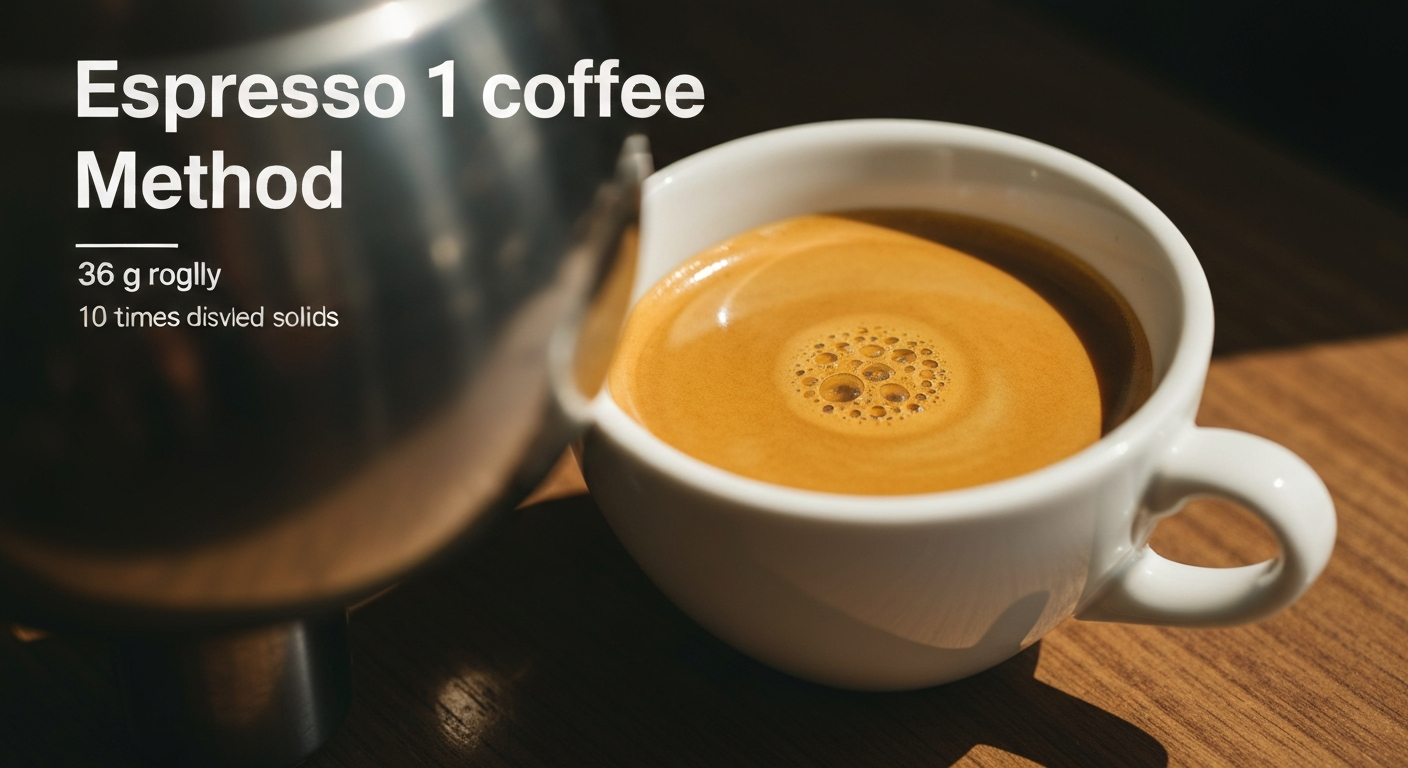
A freshly pulled double espresso — roughly 36 grams of liquid containing 10 times the concentration of dissolved solids found in filter coffee
The Mechanics
An espresso machine heats water to 90°C to 96°C and uses a rotary or vibratory pump (or, in traditional lever machines, manual pressure from the barista’s arm) to drive it through a compressed “puck” of coffee held in a metal portafilter. The barista’s job is to control three key variables: dose (typically 18 to 20 grams of finely ground coffee), yield (the weight of liquid espresso, usually 36 to 40 grams for a modern double shot), and time (targeting 25 to 30 seconds of extraction). Grind size is the primary lever for adjusting flow — finer grounds slow the water, extending contact time and increasing extraction; coarser grounds speed it up. As Scott Rao explains in The Professional Barista’s Handbook, even a small grind adjustment — the width of a human hair — can shift the shot from balanced to bitter or sour.
The crema — the golden-brown foam that sits atop a freshly pulled espresso — is an emulsion of CO₂ gas, oils, and suspended solids, forced into suspension by the 9 bars of pressure. While often considered a sign of freshness and quality, crema alone does not indicate a good shot. A beautiful, tiger-striped crema can sit on a terribly over-extracted shot, and some of the best light-roast espressos produce minimal foam.
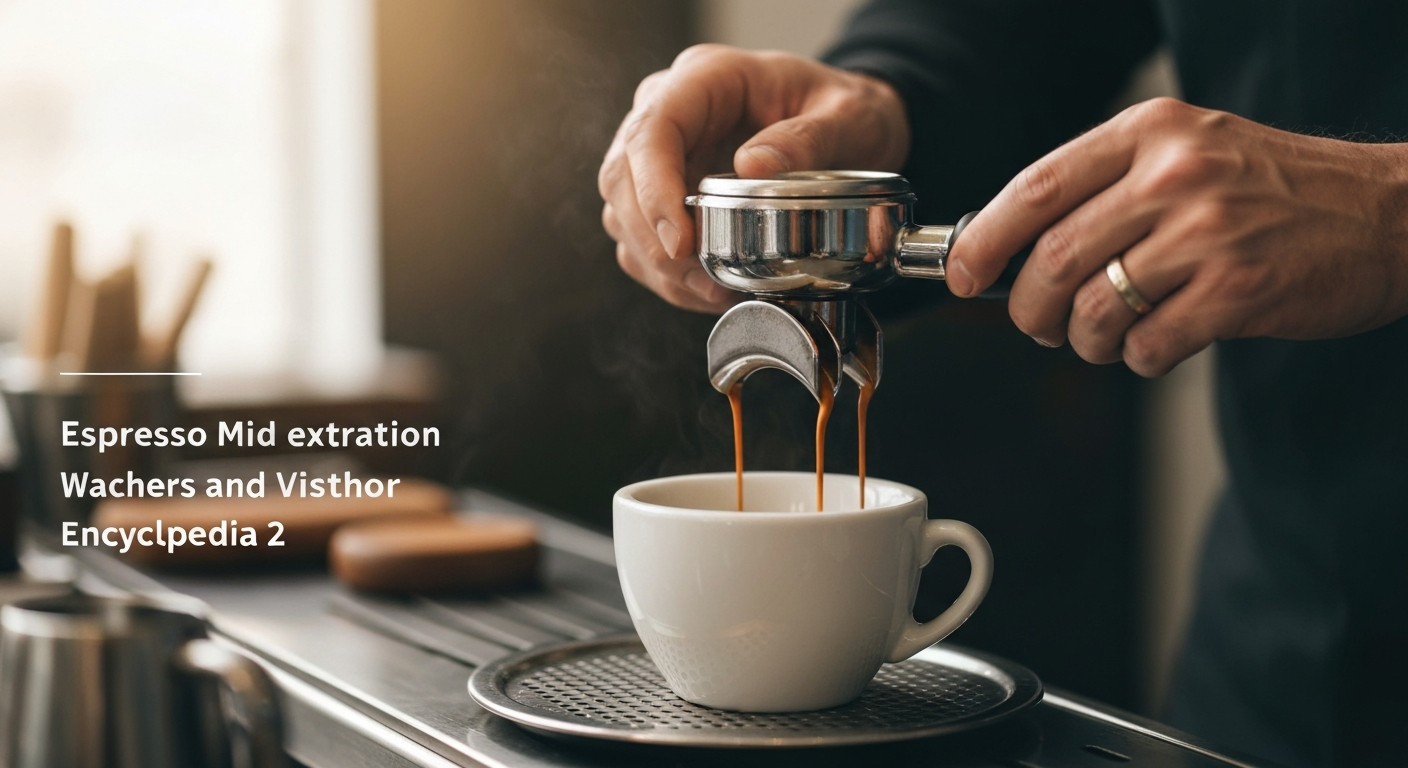
Espresso mid-extraction — the barista watches the flow rate, colour, and viscosity to judge extraction quality in real time
The Espresso Shot
A well-extracted espresso is a study in balance and intensity. The first moments of extraction pull bright, acidic, fruity compounds — the fastest-dissolving solubles. As extraction progresses, sugars and caramel notes emerge, building sweetness and body. In the final phase, heavier bitter compounds begin to dissolve, adding depth but threatening to overwhelm if extraction goes too long (visible as the pale “blonding” of the stream). The barista’s goal is to stop extraction at the precise moment where acidity, sweetness, and bitterness harmonise into something greater than the sum of their parts. A classic double shot yields about 36 to 40 grams of liquid, with a TDS of 8 to 12 percent — roughly 10 times more concentrated than filter coffee.
Milk Drinks and Beyond
Espresso is the foundation of the world’s most popular coffee drinks — a versatile base that transforms with each preparation. A cappuccino combines a single or double shot with steamed milk and a thick layer of velvety microfoam, balancing espresso intensity with creamy sweetness. A latte uses more milk and less foam for a creamier, milder drink that lets the espresso whisper rather than shout. A flat white, originating from Australia and New Zealand in the 1980s, emphasises the espresso with a thin layer of velvety textured milk and minimal foam. Americanos dilute espresso with hot water to approximate filter-style strength while retaining the body and crema character. Each format showcases a different facet of the espresso base — from the concentrated punch of a ristretto to the milky comfort of a latte.
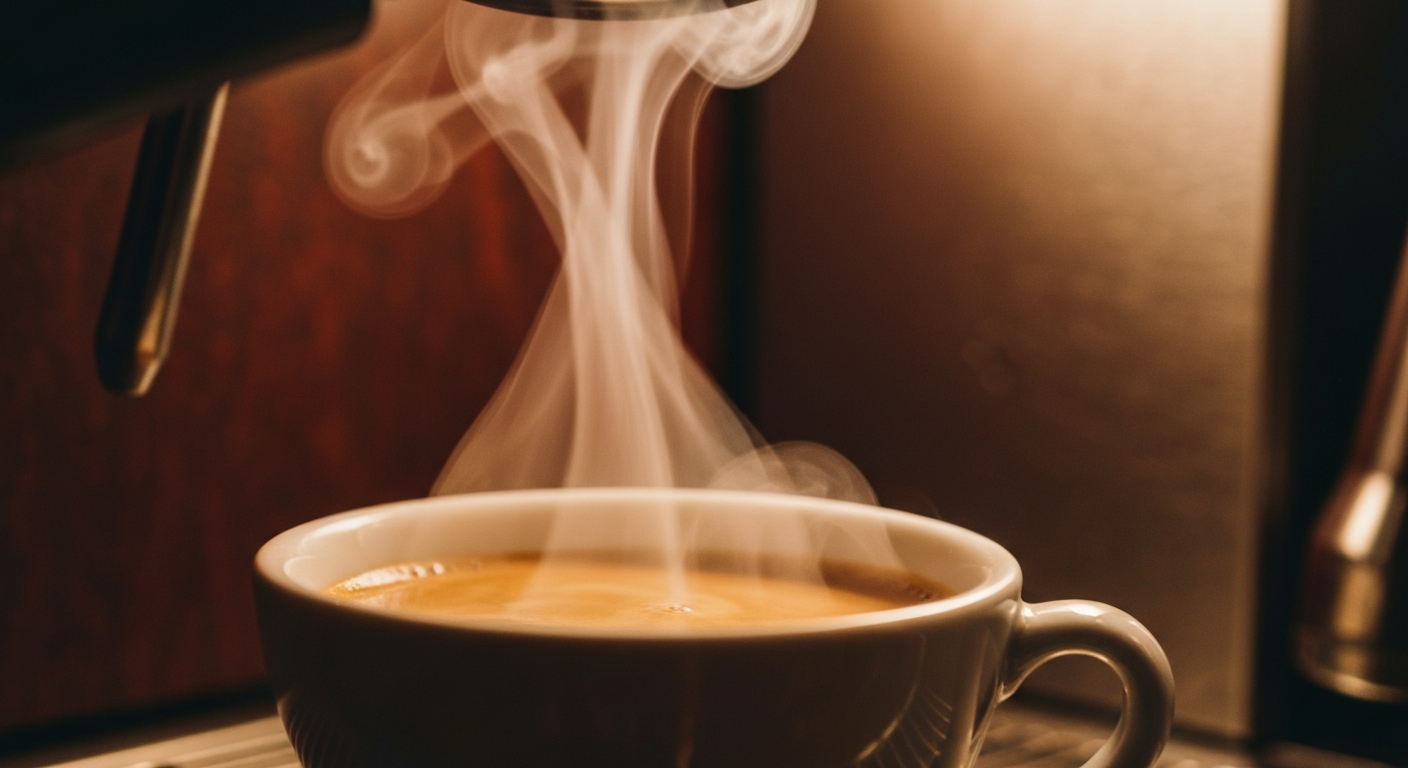
Espresso-roasted beans — many roasters develop specific profiles for espresso, often slightly darker to balance the method’s intense extraction
Machine Types and Accessibility
Espresso machines span an enormous range of complexity and price. Manual lever machines give the barista full control over pressure profiling — varying the pressure throughout the shot to emphasise different flavour phases. Semi-automatic machines automate temperature and pump pressure while leaving dose, grind, and timing to the user — the sweet spot for most serious home baristas. Fully automatic and super-automatic machines handle everything from grinding to extraction at the push of a button, trading control for convenience. Home espresso has exploded in popularity over the past decade, with capable machines from manufacturers like Breville, Lelit, and Profitec now available at a wide range of price points. Whether pulled on a commercial La Marzocco or a home lever machine, the principles remain the same: precise grind, correct dose, stable temperature, and 9 bars of pressure.
Further Reading
- The Professional Barista’s Handbook by Scott Rao — the definitive technical guide to espresso extraction and machine operation
- The World Atlas of Coffee by James Hoffmann — espresso history, technique, and its place in global coffee culture
- Barista Hustle Espresso Recipes — advanced extraction theory and dialling-in guides
Related Topics
What is Coffee Brewing?
Coffee brewing extracts soluble flavour from roasted grounds using water — and grind size, temperature, time, and ratio all determine whether the cup sings or disappoints.
brewingPour Over
Pour-over is a manual coffee brewing method using paper filters and controlled water flow, producing clean, nuanced cups that reveal single-origin character.
getting-startedFrench Press
French press coffee steeps ground beans in hot water for 4 minutes, producing rich, full-bodied cups with velvety texture and deep, rounded chocolate flavour.