 English
  Українська
  Čeština
 Sumatra is the origin that divides the coffee world. Its coffees — heavy, earthy, herbal, sometimes funky, always unmistakable — provoke fierce loyalty in some drinkers and bewildered rejection in others. There is no middle ground with a good Sumatran. The island’s unique wet-hulled processing method, combined with volcanic terroir, tropical humidity, and a patchwork of ethnic farming traditions, produces a cup that is unlike anything else in specialty coffee. Love it or challenge it, Sumatra is essential to understanding the full spectrum of what Arabica can be.
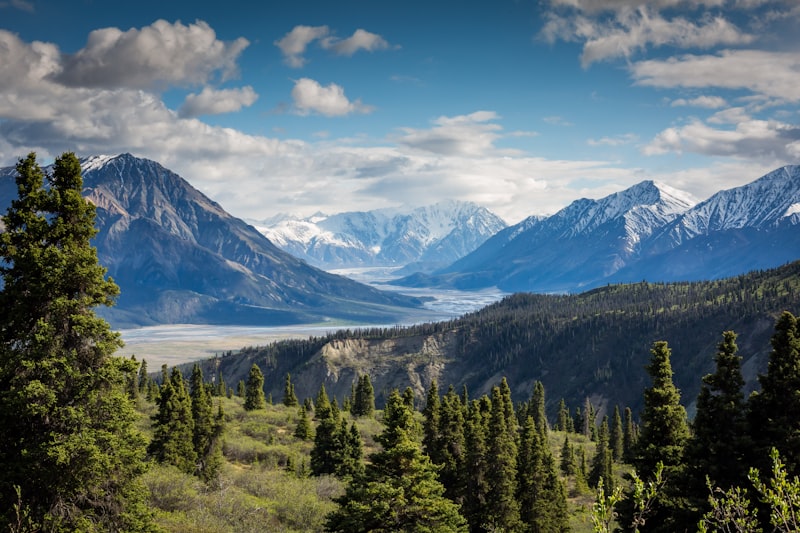
Sumatra’s interior highlands — volcanic peaks, tropical jungle, and some of the most distinctive coffee terroir on Earth
As James Hoffmann writes in The World Atlas of Coffee, Sumatran coffees “represent one of the most unique and polarising flavour profiles in the world of coffee — and much of that character comes from how the coffee is processed rather than where it is grown.”
Mandheling and Lintong — The Named Lots
Sumatran coffee is almost always sold under regional trade names rather than estate or cooperative brands, and two names dominate the specialty market.
Mandheling (sometimes spelled Mandailing) refers to coffee grown in the highlands around Lake Toba in North Sumatra, at elevations of 1,000 to 1,500 metres. The name derives from the Mandailing people of the region, though the coffee is grown by multiple ethnic communities across a broad area. Mandheling coffees are the archetype of the Sumatran style — massively full-bodied, with low acidity, and flavours of damp earth, cedar, dark chocolate, pipe tobacco, and dried herbs. The best lots have a muscular sweetness — brown sugar, molasses, dark caramel — that anchors the earthy complexity.
Lintong comes from a more specific area: the Lintong Nihuta district on the southwestern shore of Lake Toba, at slightly higher elevations (1,200 to 1,600 metres). Lintong coffees tend to be a touch cleaner and brighter than Mandheling, with more defined herbal notes — think dried basil, eucalyptus, and clove — and a citrus edge that cuts through the characteristic earthiness. For drinkers who find Mandheling too heavy or rustic, Lintong often serves as a more approachable entry point.

The highlands around Lake Toba — the volcanic caldera at the heart of Sumatra’s most famous coffee regions
Other notable Sumatran coffees come from the Gayo Highlands of Aceh Province in the island’s northern tip, where elevations reach 1,700 metres and the cup tends toward a cleaner, more fruit-forward profile than the classic Toba-region style. Gayo coffees have gained a strong following among specialty buyers seeking Sumatran character with more refinement.
The term “Mandheling” is not a geographic indication in the legal sense — it is a trade name used loosely by exporters. Quality varies enormously under the label. The best Mandhelings are among the most distinctive coffees in the world; the worst are muddy, defective, and harsh. Provenance and processing quality matter enormously.
Wet-Hulled Processing — The Heart of the Character
Sumatra’s defining characteristic is not its altitude, variety, or soil — it is its processing method. The wet-hulled process, known locally as giling basah, is practiced almost nowhere else in the world at scale, and it is responsible for the flavour profile that makes Sumatran coffee instantly recognisable.
In giling basah, farmers depulp the cherry at home and ferment the mucilage-coated beans briefly overnight. The next morning, the partially dried parchment — still at 40 to 50 percent moisture, far wetter than in any other processing system — is sold to collectors who transport it to a mill. At the mill, the parchment layer is mechanically hulled while the bean is still swollen with moisture, exposing the raw green coffee to the humid tropical air. The naked beans are then dried on patios or tarps to their final moisture content of 12 to 13 percent.

Wet-hulled beans drying on tarps — exposed to Sumatra’s humid air at high moisture content, developing the earthy, herbal character that defines the origin
This process — born of necessity, since Sumatra’s near-constant rainfall makes slow drying of parchment coffee impractical — has profound flavour consequences. The extended exposure of naked green coffee to high humidity promotes enzymatic reactions and microbial activity that produce the earthy, herbal, and sometimes musty or funky notes that define the Sumatran cup. The beans themselves turn a distinctive dark blue-green colour that experienced traders can identify at a glance.
For purists who value clean, transparent cups, wet-hulling is a flaw — it obscures terroir behind a wall of process character. For Sumatran coffee lovers, that process character is the point. The method creates flavours that simply cannot be produced any other way, and that singularity is its value.
Varieties
Sumatra’s varietal landscape is complex and often poorly documented. The most widely planted variety is Tim-Tim (a local abbreviation of Timor Hybrid, related to Catimor), which offers disease resistance and decent yields. Heritage Typica plantings survive in some areas, particularly in the Gayo Highlands, and produce distinctly sweeter, more complex cups — but Typica’s vulnerability to leaf rust limits its commercial viability.
Jember (an S795 derivative from the Indonesian government research station) is common, as is Ateng (a Catimor selection). The Gayo region has also seen increasing plantings of P88 and other improved varieties developed for productivity in the challenging tropical environment.
The interplay between variety, altitude, and wet-hulled processing creates enormous lot-to-lot variation. Two coffees from farms just a few kilometres apart can taste remarkably different — which is part of Sumatra’s charm and its challenge for consistency-minded roasters.
Flavour Profile
Sumatran coffee at its best delivers:
- Body: Massively full, heavy, syrupy — among the most substantial in all of coffee
- Acidity: Very low, almost absent — replaced by a smooth, rounded weight
- Flavour: Damp earth, cedar, pipe tobacco, dark chocolate, dried herbs (basil, oregano, eucalyptus), leather
- Sweetness: Brown sugar, molasses, dark caramel — a deep, muscular sweetness
- Finish: Long, savoury, sometimes with a pleasant mustiness
This profile makes Sumatra one of the most popular blending components in the world. Its body and low acidity provide the foundation for countless espresso blends, and it pairs remarkably well with brighter, more acidic coffees from Kenya, Ethiopia, or Colombia.

Sumatran beans — their distinctive dark blue-green colour, a signature of wet-hulled processing, is visible even before roasting
Sustainability and Challenges
Sumatra faces significant sustainability challenges. Deforestation for coffee expansion — particularly around the fringes of the Gunung Leuser National Park, one of the last habitats of the Sumatran orangutan — is an ongoing environmental concern. Some certification programmes, notably Rainforest Alliance and the Gayo Organic Farmers Cooperative, are working to promote shade-grown, forest-compatible coffee cultivation that protects biodiversity while improving farmer livelihoods.
Climate change is also shifting the calculus. Rising temperatures are pushing the viable Arabica zone higher on the volcanic slopes, compressing the already limited growing area. Wet-hulled processing, while adapted to Sumatra’s current climate, is particularly sensitive to temperature and humidity fluctuations that can tip controlled fermentation into uncontrolled spoilage.
Despite these challenges, Sumatran coffee remains one of the most iconic and commercially important origins in the world. Its flavour profile is irreplaceable — no other origin can deliver what Sumatra delivers — and for that reason alone, it will continue to command attention from roasters, blenders, and adventurous drinkers for years to come.
Further Reading
- The World Atlas of Coffee by James Hoffmann — detailed profiles of Sumatran regions and the wet-hulled process
- Coffee: A Comprehensive Guide by Robert Thurston — the history of Indonesian coffee and its global trade significance
- SCA Processing Research — studies on wet-hulled processing and its impact on cup quality
- ICO — International Coffee Organization — Indonesian production statistics by island and grade
Related Topics
Indonesia
The world's fourth-largest coffee producer, known for earthy Sumatran coffees and the unique wet-hulled processing method.
originJava
The Indonesian island that gave coffee its most famous slang name. Java coffees are known for their full body, earthy depth, and a colonial history that shaped the global coffee trade.
processWet-Hulled (Giling Basah)
A processing method unique to Indonesia where parchment is removed at high moisture, creating the signature earthy, herbal, full-bodied character of Sumatran coffee.
varietyTypica
Typica is Arabica's foundational cultivar, known for clean sweetness, silky body, and delicate acidity — the genetic root of most modern coffee varieties worldwide.