 English
  Українська
  Čeština
 No other technique in recent coffee history has divided opinion quite like anaerobic fermentation. By sealing coffee inside oxygen-free tanks and letting carefully controlled microorganisms do their work in the dark, producers have unlocked a flavour spectrum that would have seemed impossible a decade ago — explosive tropical fruit, boozy wine-like depth, candy-sweet aromatics that linger for minutes after the last sip. For its champions, anaerobic fermentation is the most exciting innovation since specialty coffee itself. For its critics, it risks turning coffee into a flavoured product, masking the very terroir that washed processing works so hard to reveal. The truth, as with most things in coffee, lies somewhere in between — and understanding the method is the first step toward forming your own view.
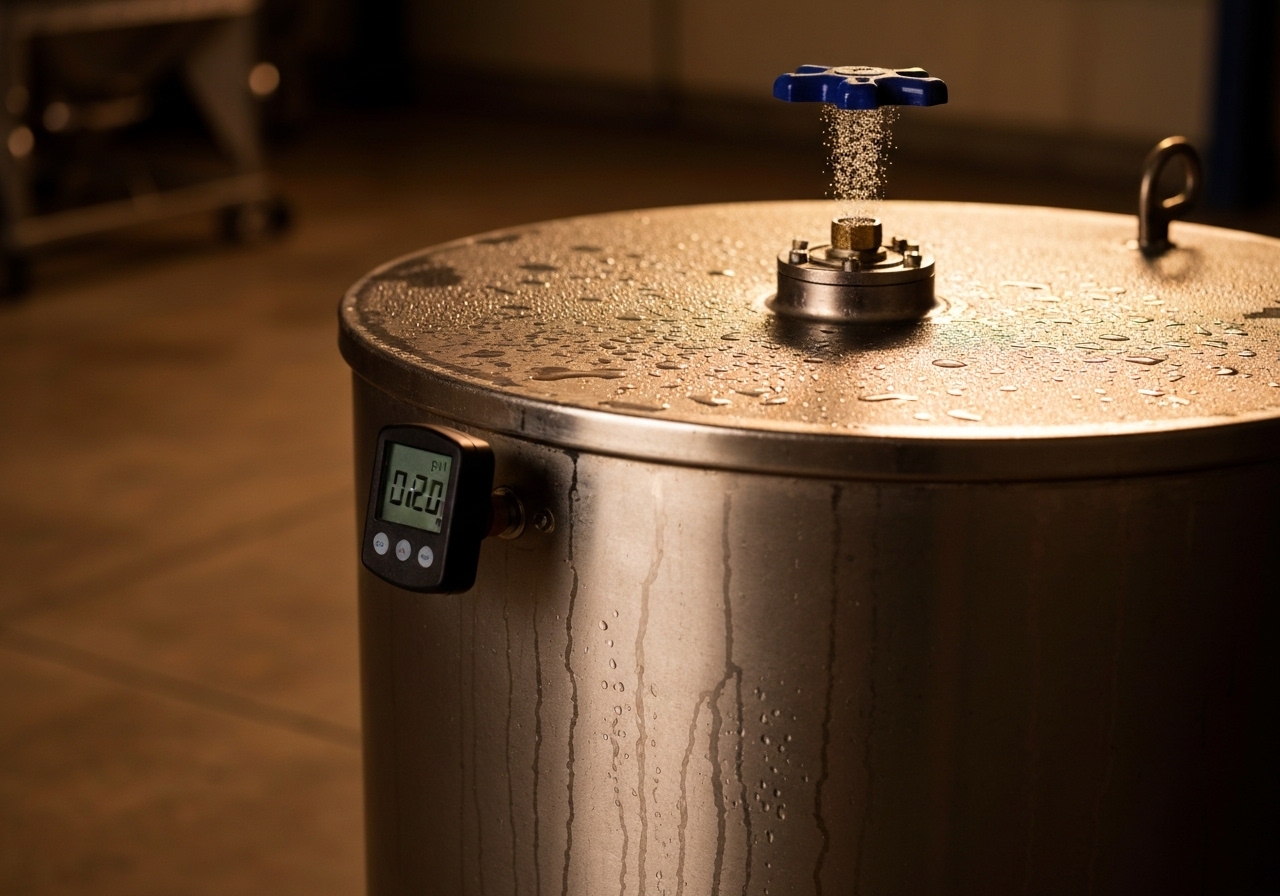
Sealed stainless steel tanks — the heart of anaerobic fermentation, where oxygen is purged and flavour is born
How It Works
Traditional fermentation — the kind that happens in open-air tanks during washed or natural processing — is aerobic. Oxygen is present, a diverse population of wild yeasts and bacteria compete for sugars, and the producer’s main lever of control is time. Anaerobic fermentation flips this entirely. Coffee cherries or depulped beans are placed inside sealed vessels — typically food-grade stainless steel tanks fitted with one-way valves — and the environment is purged of oxygen, often by flushing with carbon dioxide.
Inside the sealed tank, only anaerobic microorganisms survive and multiply. These bacteria and yeasts metabolise the sugars in the mucilage along a fundamentally different biochemical pathway than their aerobic counterparts, producing higher concentrations of esters, organic acids, and aromatic precursors. The one-way valve allows CO₂ generated during fermentation to escape without letting oxygen back in, maintaining the controlled atmosphere.
The best producers monitor this process with laboratory-grade precision. pH is tracked continuously — starting around 5.5–6.0 and typically allowed to drop to 3.5–4.0 over 48 to 96 hours, though some experimental lots ferment for up to 200 hours. Temperature is controlled, sometimes with water jackets or refrigeration units, to slow the fermentation and extend the flavour development window. Brix readings measure sugar consumption. Every variable is logged, because in anaerobic processing, reproducibility is everything — a few degrees or a few pH points can mean the difference between a transcendent cup and an undrinkable ferment bomb.
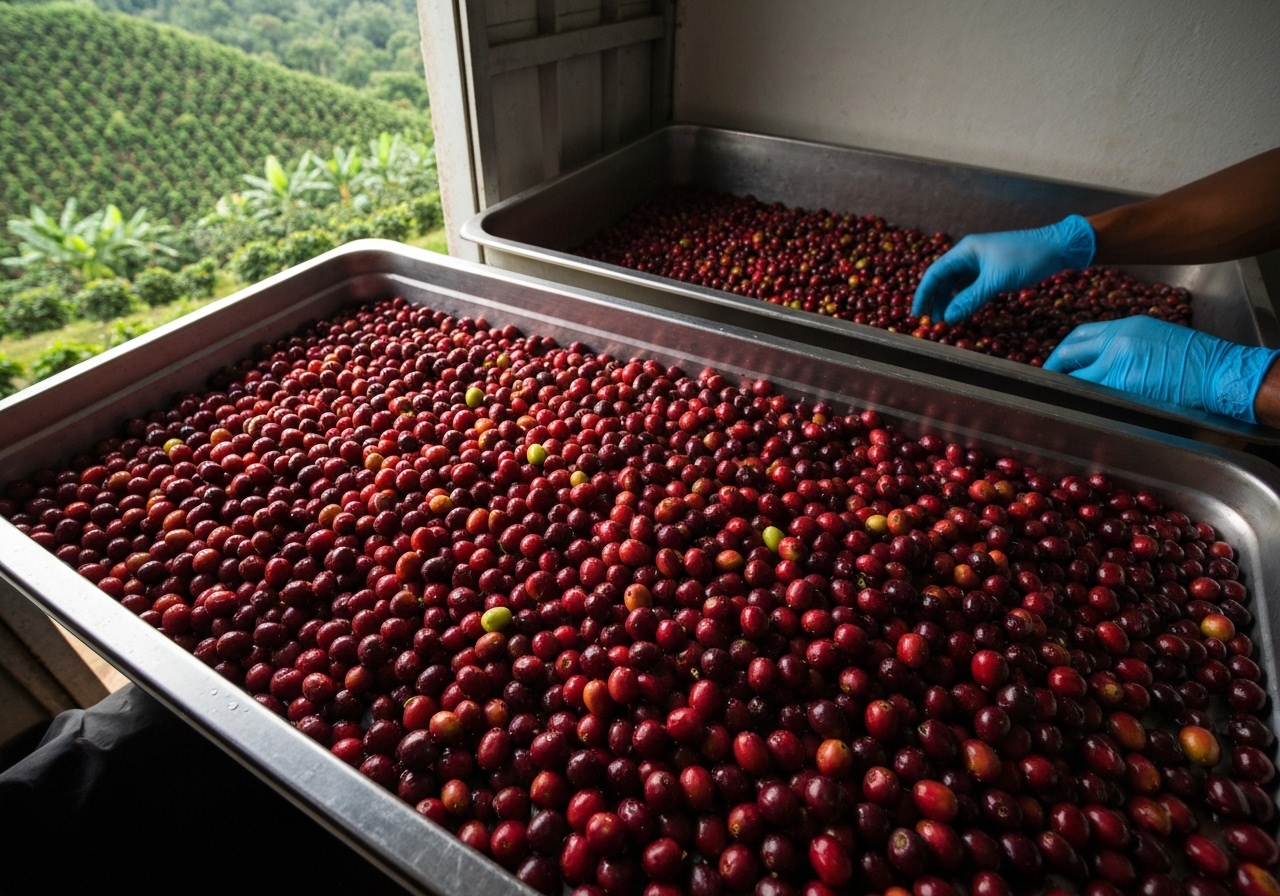
Ripe cherries selected for anaerobic processing — fruit quality at intake determines the ceiling of the final cup
According to research published by the Specialty Coffee Association, anaerobic environments promote the production of lactic acid over acetic acid, which contributes to the silky, rounded mouthfeel characteristic of the best anaerobic lots — a biochemical shift that aerobic fermentation cannot replicate.
Flavour Impact
The flavour profile of anaerobically fermented coffee is unmistakable. Where a clean washed coffee might present delicate floral notes and citrus acidity, an anaerobic lot from the same farm can deliver a wall of ripe strawberry, fermented jackfruit, red wine, cinnamon, and bubble-gum sweetness. The body tends to be heavier, almost syrupy, with a lingering finish that can stretch for minutes.
This intensity is not accidental. The sealed environment concentrates volatile aromatic compounds that would otherwise oxidise and dissipate in open fermentation. Esters like ethyl butyrate (pineapple), isoamyl acetate (banana), and ethyl hexanoate (green apple) are produced in far greater quantities. The result is a cup that drinks closer to a natural wine or a tropical fruit cocktail than anything most people associate with coffee.
The range of flavour outcomes is vast. Producers manipulate results by adjusting fermentation duration, temperature, whether cherries are fermented whole (as in natural processing) or depulped first (closer to honey or washed), and even by inoculating tanks with specific yeast strains. Some add fruit — strawberries, lychee, cinnamon bark — to the fermentation vessel, a practice that pushes the boundaries of what constitutes “coffee processing” and fuels the terroir debate.
Carbonic Maceration
A notable sub-technique borrowed directly from winemaking — specifically from Beaujolais Nouveau production — is carbonic maceration. In this variant, whole intact cherries are placed in tanks that are then filled with CO₂ from the bottom up, creating a pressurised carbon dioxide blanket. Fermentation begins inside each individual cherry before the skin is even broken, driven by intracellular enzymes rather than external microbes.
The result is distinct even within the anaerobic family: intensely juicy, with pronounced red-fruit character — think fresh raspberry, pomegranate, and rosé wine. Sasa Sestic, the 2015 World Barista Champion, is widely credited with popularising the technique in coffee after adapting it from his family’s winemaking background in the former Yugoslavia. His Project Origin lots from Colombia and Central America remain reference points for the style.
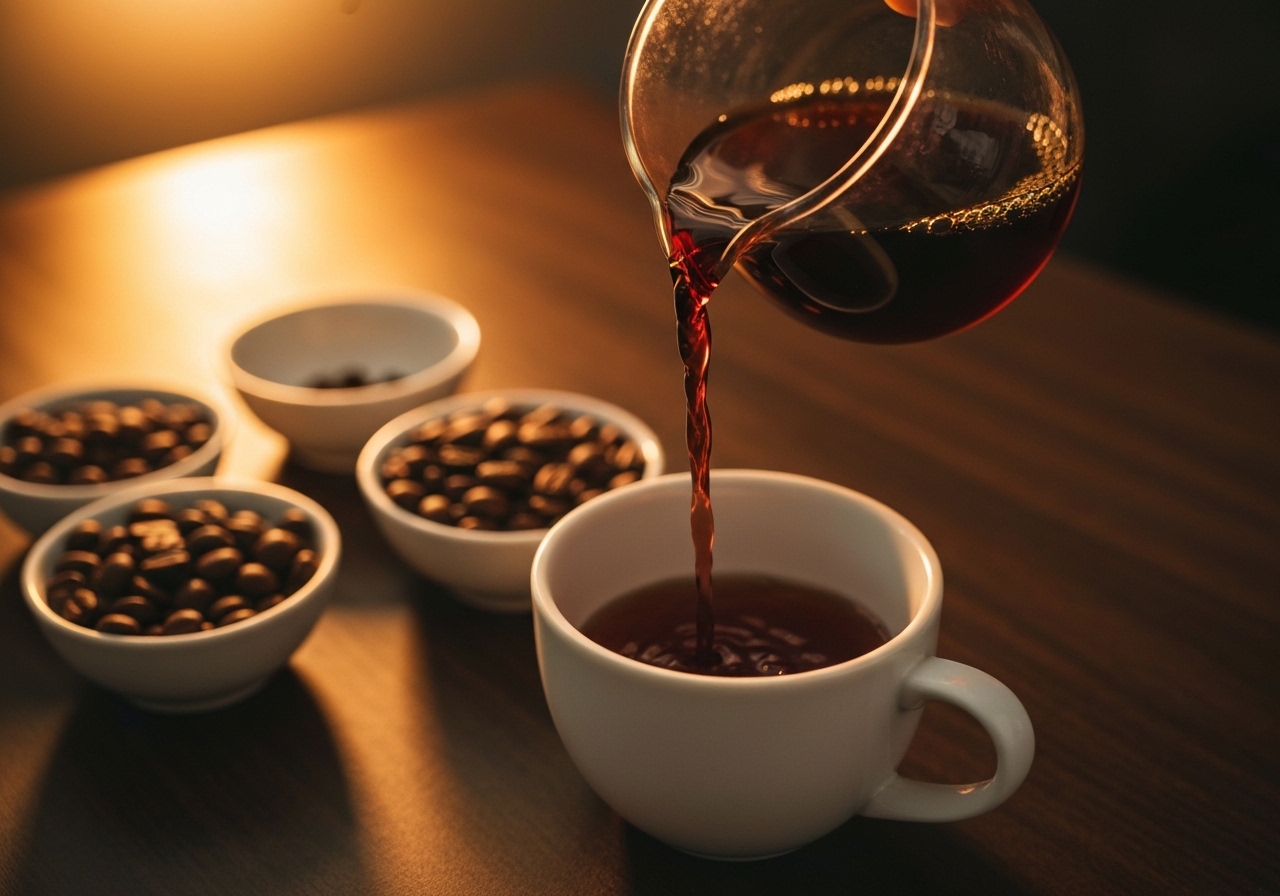
The wine-like character of anaerobically processed coffee — intense fruit, deep body, and a finish that lingers
The Terroir Debate
Anaerobic fermentation has ignited the most passionate philosophical debate in specialty coffee since the rise of light roasting. The central question: when fermentation contributes more to flavour than origin, is it still terroir — or is it technique?
Critics argue that heavily fermented coffees taste more of the process than the place. A boozy, strawberry-forward anaerobic lot from Colombia can be nearly indistinguishable from one produced in Ethiopia or Indonesia, which undermines the origin-transparency that movements like washed processing have spent decades championing. Some competitions and buyers have begun distinguishing between “origin character” and “process character” in their scoring, an implicit acknowledgment of the tension.
Proponents counter that fermentation is no different from any other agricultural decision — variety selection, shade management, altitude — that shapes the final product. Winemakers have used controlled fermentation for centuries without anyone claiming that a Burgundy Pinot Noir lacks terroir because the winemaker chose a specific yeast strain. In this view, anaerobic fermentation is simply a new tool in the producer’s kit, one that can amplify terroir rather than obscure it when used with restraint.
The Competition Connection
Anaerobic and carbonic maceration coffees have dominated the World Barista Championship (WBC) podium in recent years. Sestic’s 2015 win with a carbonic maceration lot from Colombia opened the floodgates; since then, nearly every WBC winner has featured some form of controlled fermentation. Diego Campos (2021), Anthony Douglas (2022), and Boram Um (2023) all built their winning routines around anaerobically processed lots, leveraging the intense, distinctive flavour profiles to create memorable presentations.
This competition dominance has had a commercial ripple effect. Roasters worldwide now stock anaerobic lots as premium offerings, often at price points two to five times higher than washed equivalents from the same origin. For producers in countries like Colombia, Costa Rica, and Ethiopia, mastering anaerobic techniques has become a pathway to significantly higher income — a tangible economic benefit that few innovations in coffee processing have delivered so quickly.
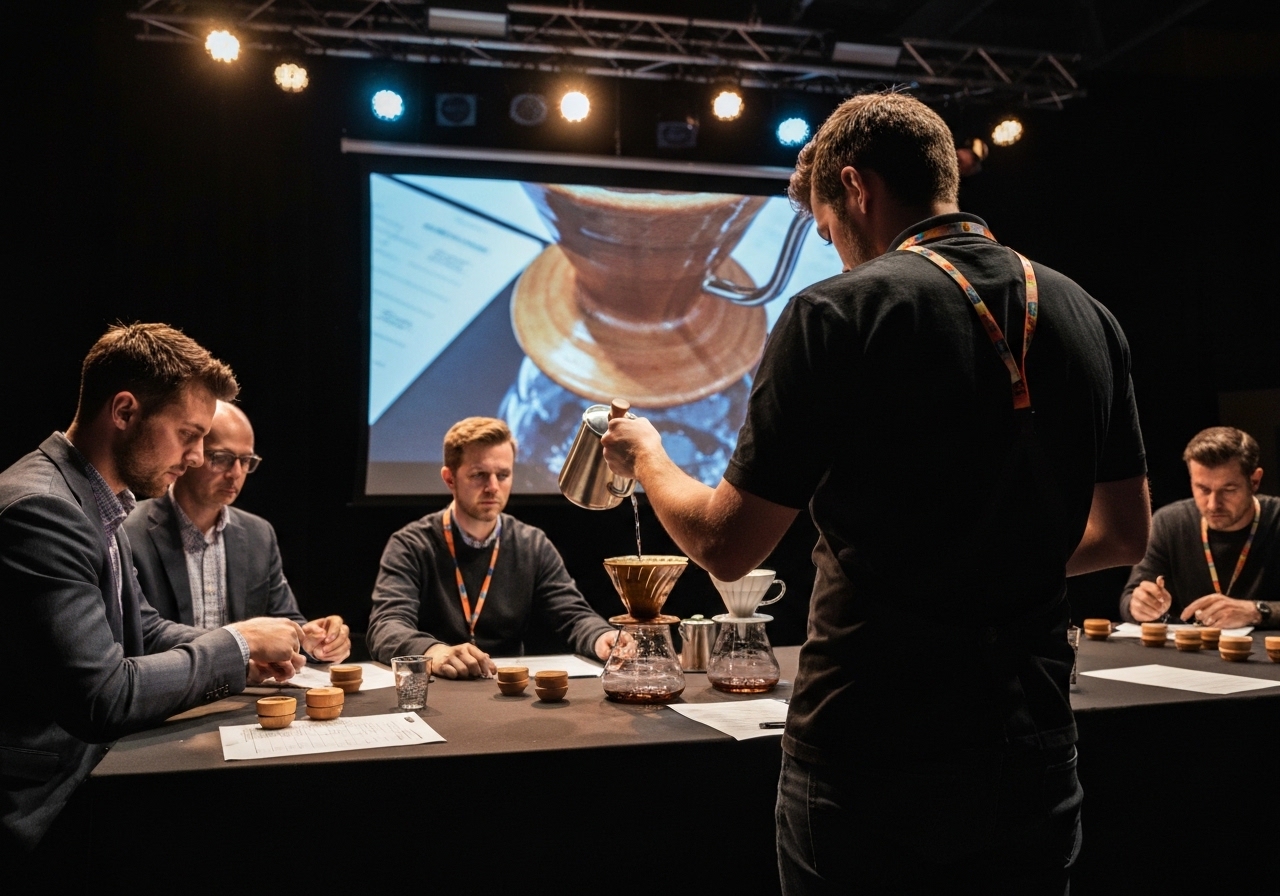
From sealed tank to careful extraction — anaerobic coffees demand precision at every stage
Why It Matters
Anaerobic fermentation matters because it has expanded the very definition of what coffee can taste like. Whether you find that thrilling or unsettling depends on your philosophy — but the genie is not going back in the bottle. The technique has given producers new tools for differentiation and higher prices, given roasters new stories to tell, and given consumers flavour experiences that simply did not exist in coffee before 2015.
The most thoughtful producers are already moving past the novelty phase. Rather than chasing the wildest possible fermentation, they are calibrating anaerobic techniques to enhance — not replace — origin character. A precisely controlled 72-hour anaerobic fermentation on a high-altitude Gesha, for example, can amplify floral complexity without drowning it in fruit-bomb intensity. This middle path, where innovation serves terroir rather than competing with it, is likely where the future of anaerobic processing lies.
For anyone serious about understanding modern specialty coffee, anaerobic fermentation is no longer optional knowledge. It is the frontier — contested, evolving, and utterly fascinating.
Further Reading
- The World Atlas of Coffee by James Hoffmann — context on processing innovation and its impact on cup quality
- Modulating Coffee Fermentation by Lucia Solis — the definitive practical guide to controlled fermentation in coffee
- SCA Research on Fermentation — peer-reviewed studies on anaerobic and aerobic fermentation chemistry
- Project Origin — Sasa Sestic’s company, pioneers of carbonic maceration in coffee
- Cup of Excellence — auction results showcasing the rise of anaerobic lots in competition scoring
Related Topics
What is Coffee Processing?
Coffee processing — washed, natural, honey — transforms harvested cherries into green beans and shapes the cup more than almost any other variable, including roast level.
processNatural (Dry) Processing
Natural processing dries whole coffee cherries in the sun before milling — the oldest method, and the one most responsible for fruity, wine-like, and berry-forward cups.
processHoney Processing
Honey coffee processing retains mucilage on the bean, producing cups that blend washed clarity with natural sweetness and stone-fruit body. White to black honey.
processWashed (Wet) Processing
Washed coffee processing removes all fruit before drying to reveal clean, bright cups — floral, terroir-transparent, and prized by the specialty world. The benchmark method.