 English
  Українська
  Čeština
 Somewhere between the fields of Ethiopia and the cup in your hand, a number is assigned to your coffee — a single score that determines whether it will be sold for pennies a kilogram or celebrated by name, origin, and producer. That number is 80. Cross it, and your coffee is specialty. Fall short, and it enters the vast river of commodity that fuels the world’s instant granules, office capsules, and budget espresso blends.
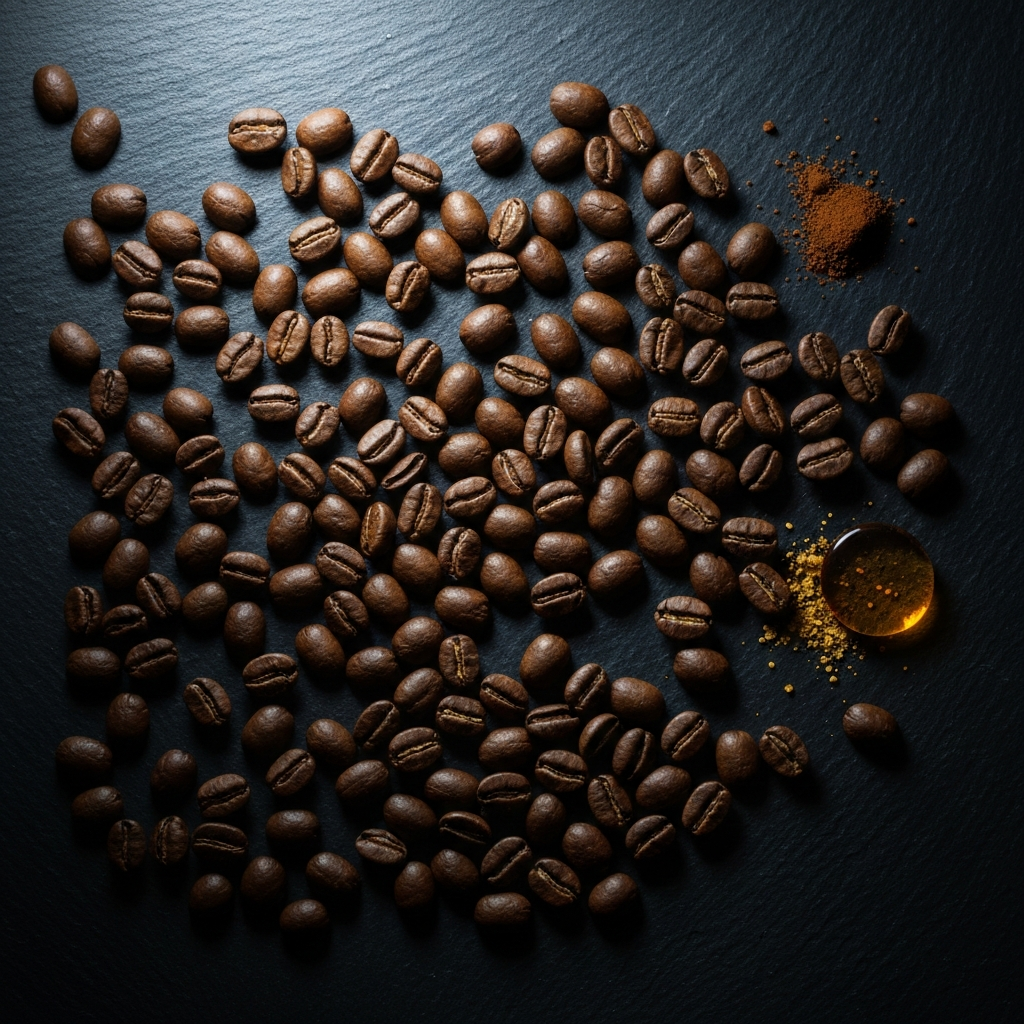
Specialty coffee is defined not just by how it tastes, but by a rigorous scoring process that traces quality from seed to cup
The Specialty Coffee Association and the 100-Point Scale
The Specialty Coffee Association (SCA), a global industry body headquartered in the United States and the United Kingdom, developed the cupping protocol that defines what specialty coffee is. Trained Q Graders — licensed evaluators who pass a rigorous 22-part examination — assess each coffee blind, using a standardised form that scores ten attributes: fragrance and aroma, flavour, aftertaste, acidity, body, balance, uniformity, clean cup, sweetness, and overall impression. Each attribute contributes to a total out of 100.
A score of 80 or above designates specialty. Below that threshold, coffee is classified as commercial or commodity grade, regardless of where it was grown or how carefully it was farmed. The distinction matters because specialty coffee commands dramatically different economics: while commodity coffee trades on futures markets where individual farmers have no pricing power, specialty coffee is sold through direct trade, auctions, and relationship purchasing — models that can return three to ten times the commodity price back to the producer.
What the Score Actually Measures
Understanding the score requires understanding what cuppers are actually looking for. Acidity, in the specialty context, is not harshness or sourness — it is vibrancy, brightness, the quality that makes a Kenyan coffee sparkle on the palate like a perfectly ripe blood orange. Body refers to the texture of the liquid: a natural-process Ethiopian might feel round and almost syrupy, while a washed Colombian tends toward tea-like delicacy. Flavour is the broadest category — the full sensory impression of the coffee in the mouth, referencing whether those blueberry and jasmine tasting notes are genuine and distinct, or murky and indistinct.
Uniformity and clean cup together assess consistency: does every cup in the set of five score the same? Is there any murkiness, ferment, or off-note contaminating the experience? A single defective cup in the set can pull the score below 80. Sweetness, meanwhile, refers not to sugar but to the inherent sweetness of the seed — well-processed, properly developed coffee has a natural sweetness that comes from intact sugars and balanced extraction.
How Defects Work
Specialty coffee is also defined negatively: by what it must not contain. Primary defects — black beans, sour beans, fungus-damaged beans, foreign material — immediately disqualify a lot from specialty consideration. Secondary defects, such as broken beans, immature cherries, or insect-damaged beans, are tolerated only within strict limits. The green bean analysis runs alongside the cup evaluation, and even a visually beautiful coffee can fail if the raw material contains too many defective seeds.
This is why processing matters so profoundly. Careful picking — selecting only ripe, red cherries — and meticulous drying dramatically reduce the defect count before the coffee even reaches the cupping table. Much of what separates a 76-point coffee from an 84-point coffee is not the variety or the altitude but the care taken during the eighteen hours between cherry and dried parchment.
The Spectrum Within Specialty
Not all specialty coffee is equal, of course. The industry typically thinks of quality in bands: coffees scoring 80–84 are considered good specialty — clean, pleasant, worth drinking with attention. Coffees scoring 85–89 are excellent — distinctly complex, with real character and regional personality. Above 90, the classification shifts to outstanding or exceptional; these lots are rare, often sold at auction for extraordinary prices, and represent the outer edge of what coffee can become as a sensory experience.
The Cup of Excellence competition, held annually in producing countries across Latin America and East Africa, uses the SCA protocol to find the finest coffees in each nation. Winning lots have sold for over $300 per kilogram at auction. These are not beverages so much as arguments — evidence that a farmer, a variety, a microclimate, and a careful hand can together produce something that defies the ordinary.
Why This Matters for You
As a coffee drinker, the 80-point threshold is a useful but imperfect guide. Specialty designation tells you that a coffee passed a rigorous quality gate, that it was assessed blind by trained professionals, that it contains no serious defects. It does not tell you whether you will personally enjoy it — a 92-point natural Ethiopian with boozy, wine-like ferment notes will not appeal to everyone, while a clean, balanced 82-point Guatemalan might be exactly what you want with your morning.
The more useful habit is learning to read the bag — to understand origin, process, roast date, and variety as indicators of what a coffee will taste like. The SCA score is the foundation; your own palate is the final arbiter. Start with specialty, then learn to navigate within it.
Where to Go Next
- How to Read a Coffee Bag — decode every piece of information on the label
- Your First Cup: A Tasting Guide — develop the vocabulary to describe what you taste
- Coffee Cupping Scores — go deeper on the SCA protocol and what each attribute means
Related Topics
Arabica (Coffea arabica)
Arabica accounts for 60% of global coffee production and virtually all specialty coffee. Here is what separates it from Robusta — genetics, altitude, and cup character.
glossaryHow Coffee Is Scored: The SCA Cupping Sheet Explained
The SCA 100-point scale, all ten scoring categories explained, what Q-graders are, common score ranges by quality tier, and why scores vary between tasters.
getting-startedThe Coffee Belt
The Coffee Belt spans the tropics between Cancer and Capricorn, home to all 70 coffee-growing nations and every Arabica and Robusta variety on Earth.
scienceCoffee Altitude & Terroir: How Elevation Shapes Flavor
Altitude is the single most reliable predictor of coffee quality. Learn how elevation shapes bean density, acidity, sugar development, and why terroir matters in the cup.