 English
  Українська
  Čeština
 The Kenyan Legends
Few coffee varieties carry as much mystique as SL28 and SL34. These two cultivars — born not on remote farms but inside colonial-era research laboratories — have come to define what the world expects from Kenyan coffee: a piercing, phosphoric acidity, explosive blackcurrant and tomato notes, and a syrupy, almost wine-like body that lingers long after the last sip. Together, they account for the vast majority of Kenya’s specialty production and have earned the country a permanent seat at the top of the quality hierarchy. When cuppers taste a classic Kenya lot and find that unmistakable savory-sweet complexity, SL28 or SL34 is almost always the variety on the table.

SL28 and SL34 thrive at the high altitudes and rich volcanic soils found across Kenya’s central highlands, where elevations between 1,400 and 2,000 metres slow cherry maturation and concentrate flavour
Scott Agricultural Laboratories
The “SL” prefix stands for Scott Laboratories, later known as the Scott Agricultural Laboratories, a research facility established in the 1920s near Nairobi during British colonial rule. The station’s mission was to identify and propagate coffee varieties suited to Kenya’s unique terroir — high altitude, equatorial latitude, deep volcanic soil, and two distinct rainy seasons. Over a span of roughly two decades, researchers selected and numbered dozens of candidate lines from existing plantings, imported stock, and experimental crosses. Of those many numbered selections, only a handful proved commercially viable. SL28 and SL34 survived the cut — and then, over the following century, outperformed every expectation. As Tim Wendelboe writes in his brewing guides, these lab-born cultivars went on to produce some of the most celebrated coffees in the history of specialty.
SL28 Origins
SL28 was selected around 1931 from a drought-resistant population believed to have Tanganyika (modern-day Tanzania) origins, possibly related to Bourbon stock that had travelled through French mission stations in East Africa. The researchers at Scott Labs chose it specifically for its ability to withstand dry conditions while still producing outstanding cup quality — a rare combination then and now. Genetically, recent work by World Coffee Research has confirmed that SL28 sits within the Bourbon-Typica lineage, though its exact parentage remains debated. What is not debated is the flavour. SL28 delivers an intense, complex acidity — often described as blackcurrant, grapefruit, and red berry — layered over a heavy, almost juicy body. It is also tall and leggy, with bronze-tipped young leaves and relatively low yields compared to modern hybrids, which makes it a risky but rewarding choice for quality-focused producers.
SL28 was originally selected for drought resistance, not cup quality. That it also happened to produce one of the most extraordinary flavour profiles in the Arabica species is one of coffee’s happiest accidents.
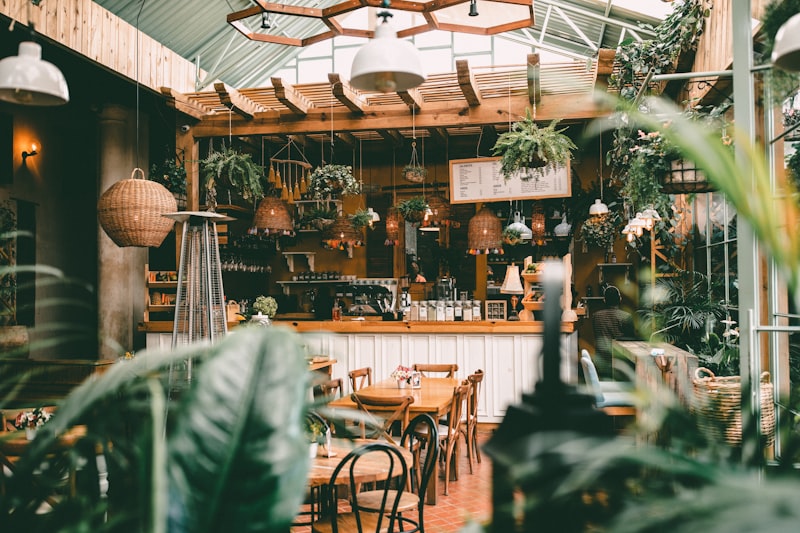
SL28 cherries ripening to a deep red — the variety’s relatively low yields are offset by the extraordinary cup quality that commands premium prices at auction
SL34 Origins
SL34, selected around 1935, traces its lineage to a single tree found growing at the Loresho Estate near Nairobi. Genetic analysis suggests it descended from French Mission Bourbon stock — seeds that had arrived in Kenya via Réunion (formerly Bourbon Island) and the French Catholic missions of Tanzania. Where SL28 was chosen for drought tolerance, SL34 was favoured for its performance in higher-rainfall zones and at slightly higher altitudes. In the cup, SL34 shares the same family of flavours as SL28 — bright citric and phosphoric acidity, dark fruit, and heavy body — but often presents a slightly more balanced, rounder profile, with less of the extreme savory tomato quality and more sweetness and chocolate. The two varieties are frequently planted side by side on Kenyan farms, and many of the country’s most famous auction lots are blends of both, capitalising on the complementary strengths of each.
The Kenyan Cup Profile
What makes SL28 and SL34 cups distinctive among all Arabica varieties is the nature of their acidity. While a washed Bourbon from Central America might deliver a clean malic or citric brightness, the SL varieties produce a phosphoric acidity — sharp, electric, almost effervescent — that interacts with the dense body and complex sugars to create flavour sensations closer to fine wine or fresh juice than to typical coffee. Blackcurrant, tomato, tamarind, blood orange, and grapefruit are recurring tasting notes. When processed as washed coffees — Kenya’s dominant method — these characteristics are amplified by the country’s traditional double-fermentation technique, which strips away mucilage slowly and cleanly, leaving the intrinsic varietal character fully exposed.
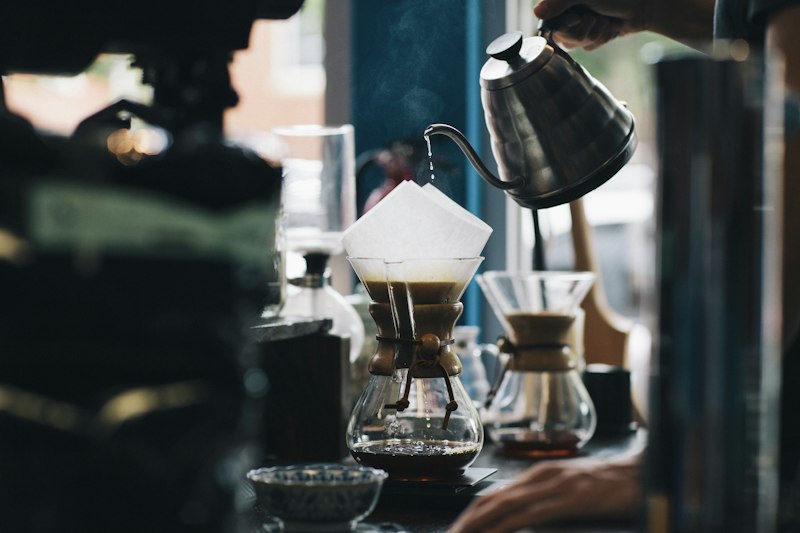
The classic SL28/SL34 cup — intensely aromatic, complex, and defined by a phosphoric acidity rarely found in other varieties
Beyond Kenya
In recent decades, SL28 in particular has travelled far beyond Kenya’s borders. Ambitious producers in Colombia, Panama, Costa Rica, and Guatemala have planted SL28 at high altitudes, curious to see how the variety expresses itself in different soils and climates. The results have been striking — SL28 lots from Colombia’s Huila and Nariño regions have scored exceptionally at international competitions, often retaining the signature berry acidity while developing new layers of tropical fruit and floral sweetness that reflect their terroir. SL34, less widely exported, has also been trialled in Central America and parts of Southeast Asia, though it remains primarily associated with its Kenyan homeland. As the specialty industry’s appetite for rare and expressive varieties grows, both cultivars are finding new homes across the coffee belt.
Why They Matter
SL28 and SL34 represent a powerful lesson in the intersection of science and serendipity. They were products of methodical agricultural research — numbered lines in a colonial spreadsheet — yet they became icons of flavour, defining what an entire country tastes like in the minds of coffee professionals worldwide. They remind us that variety is not just an agronomic detail but a primary driver of what ends up in the cup. For farmers in Kenya’s central highlands, these cultivars are both heritage and livelihood — difficult to grow, susceptible to coffee berry disease and leaf rust, but capable of fetching prices at auction that no rust-resistant hybrid can match. For roasters and drinkers, they are proof that terroir, processing, and genetics together create something greater than the sum of their parts.
From lab selection to world-class cups — SL28 and SL34 have shaped Kenya’s reputation as one of the finest coffee origins on earth
Further Reading
- The World Atlas of Coffee by James Hoffmann — origin profiles for Kenya and detailed varietal notes on SL28 and SL34
- Where the Wild Coffee Grows by Jeff Koehler — the history and biodiversity of Arabica, including East African selections
- World Coffee Research Variety Catalog — agronomic data, genetic lineage, and sensory profiles for SL28 and SL34
- Coffee: A Comprehensive Guide by Robert Thurston — the colonial-era research stations that shaped modern coffee cultivation
Related Topics
Kenya
Kenyan coffee delivers intense blackcurrant, grapefruit, and tomato-like acidity from SL28 and SL34 cultivars grown at high altitude near Mount Kenya.
varietyWhat are Coffee Varieties?
Coffee varieties — Typica, Bourbon, Gesha, SL28 — are the genetic blueprints behind every cup. A guide to what they are, how they differ, and why variety matters for flavour.
varietyBourbon
Bourbon is Arabica's second foundational cultivar — named after Réunion island, prized for rich sweetness, chocolate notes, full body, and complex fruit.
getting-startedArabica (Coffea arabica)
Arabica accounts for 60% of global coffee production and virtually all specialty coffee. Here is what separates it from Robusta — genetics, altitude, and cup character.