 English
  Українська
  Čeština
 Precision in a Cone
Pour over is the method of choice for coffee professionals and enthusiasts who want maximum control over extraction — and maximum transparency in the cup. The concept is elegantly simple: hot water is poured by hand over a bed of ground coffee held in a paper or cloth filter, and gravity draws the brewed liquid into a vessel below. This percolation approach means fresh, unsaturated water is constantly meeting the grounds, extracting efficiently and producing a clean, luminous cup that highlights a coffee’s origin character and varietal nuance in ways that heavier methods simply cannot.
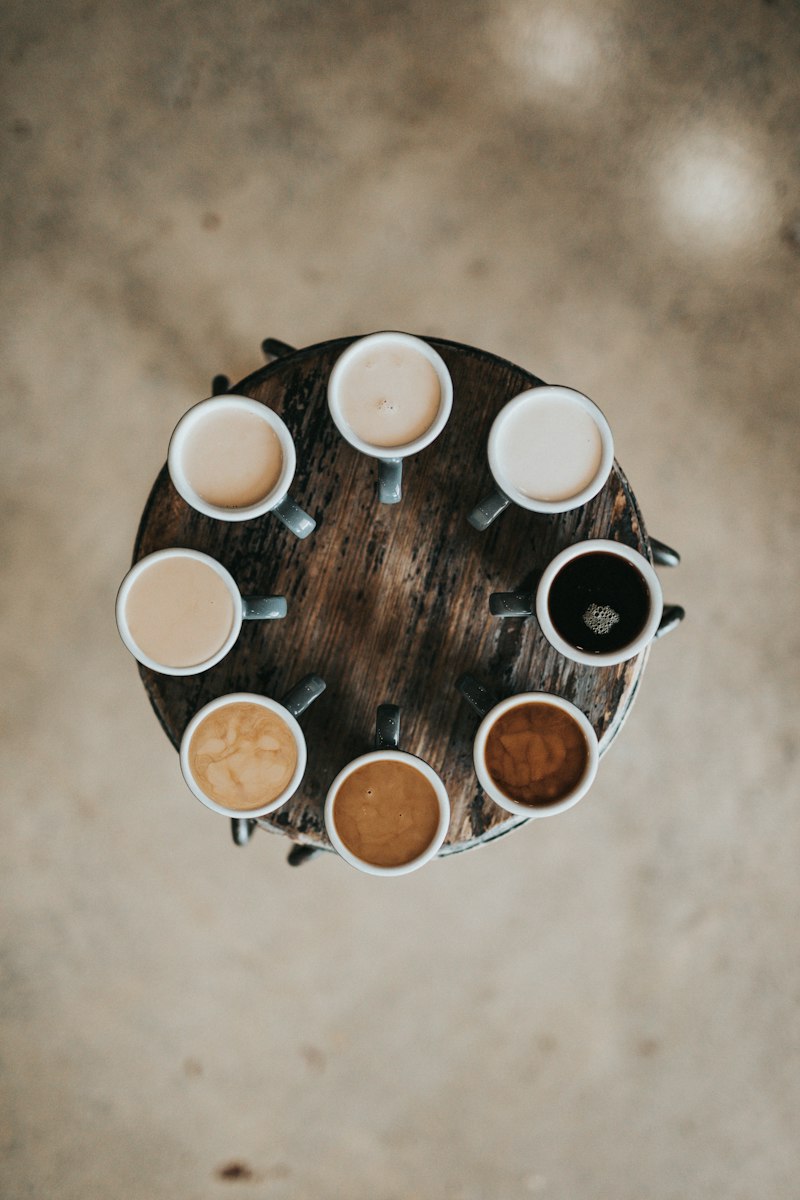
The slow, controlled pour — a gooseneck kettle gives the brewer precise control over flow rate, turbulence, and water placement
The Classic Brewers
Several pour-over devices have become iconic, each with a distinct personality. The Hario V60, with its conical shape, single large drain hole, and spiral ribs, is the standard in specialty shops worldwide — its open design gives the brewer total control over flow rate and agitation, but punishes sloppy technique. The Chemex, designed by German chemist Peter Schlumbohm in 1941, uses thick bonded filters that remove oils and fine particles, producing an exceptionally clean, almost tea-like cup with crystalline clarity. The Kalita Wave uses a flat-bottomed bed with three small drain holes, promoting even extraction and greater consistency — a favourite for those who want reliability without fuss. As Scott Rao writes in Everything but Espresso, each brewer creates a different dynamic between water and coffee, and experienced drinkers often develop strong preferences.
The 2016 World Brewers Cup was won with a V60 recipe using a 1:16 ratio, 93°C water, and a total brew time of 3 minutes 30 seconds. Competition recipes have become a popular way for home brewers to explore new techniques and push the boundaries of what pour-over can achieve.
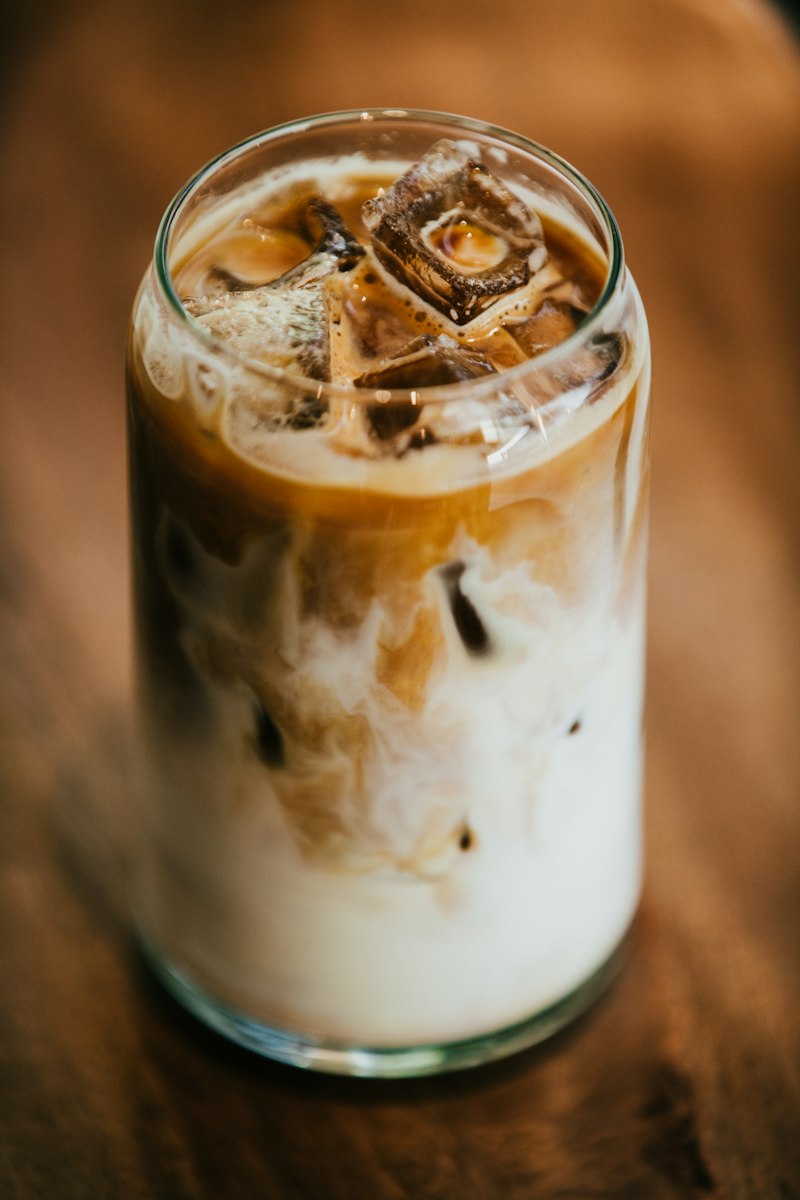
A typical pour-over station — the V60, a precision scale, and a temperature-controlled kettle form the holy trinity of manual brewing
Dialling In a Recipe
A good pour-over recipe starts with fresh, medium-fine grounds — roughly the texture of table salt. A common starting point is 15 grams of coffee to 250 grams of water (a 1:16.7 ratio) at 92°C to 96°C, targeting a total brew time of 2.5 to 3.5 minutes. The pour typically begins with a bloom — a small initial pour of about twice the coffee weight (30 grams of water for 15 grams of coffee) that saturates the grounds and releases trapped carbon dioxide for 30 to 45 seconds. This degassing step is crucial: CO₂ creates a barrier that repels water, so skipping or rushing the bloom leads to uneven extraction.
Subsequent pours are added in slow, concentric circles, keeping the water level consistent and avoiding pouring directly on the filter walls, which lets water bypass the coffee bed entirely. The drawdown — the time it takes for the last water to drain through — is a key diagnostic: too fast suggests the grind is too coarse; too slow points to an overly fine grind or a choked filter.

The coffee bed before the first pour — a flat, even surface promotes uniform extraction and a balanced cup
What Makes a Great Pour-Over
The best pour-overs are clean, sweet, and complex, with clearly defined acidity and a lingering, flavour-shifting finish. Because paper or cloth filters remove most oils and fine sediment, the body tends to be lighter and more delicate than immersion methods like French press — letting subtleties of origin, variety, and processing shine through with remarkable clarity. Light and medium roasts of Arabica are particularly well-suited to pour-over: the method’s transparency reveals floral, fruity, and citrus notes that might be buried in heavier brewing styles like espresso. A washed Ethiopian Gesha brewed on a V60, for instance, can deliver jasmine and bergamot aromatics with a precision that no other method matches.
The Ritual
Beyond flavour, pour-over brewing offers a meditative, hands-on ritual that many coffee lovers find deeply satisfying. The act of heating water, grinding beans, watching the bloom expand and release its earthy fragrance, and pouring with slow, deliberate intention creates a few minutes of focused calm in a busy day. It is a method that rewards attention and practice — each variable you learn to control adds another layer of flavour to your cup. For those willing to invest both, pour-over consistently delivers some of the most beautiful, nuanced, and revealing cups of coffee you can make at home.
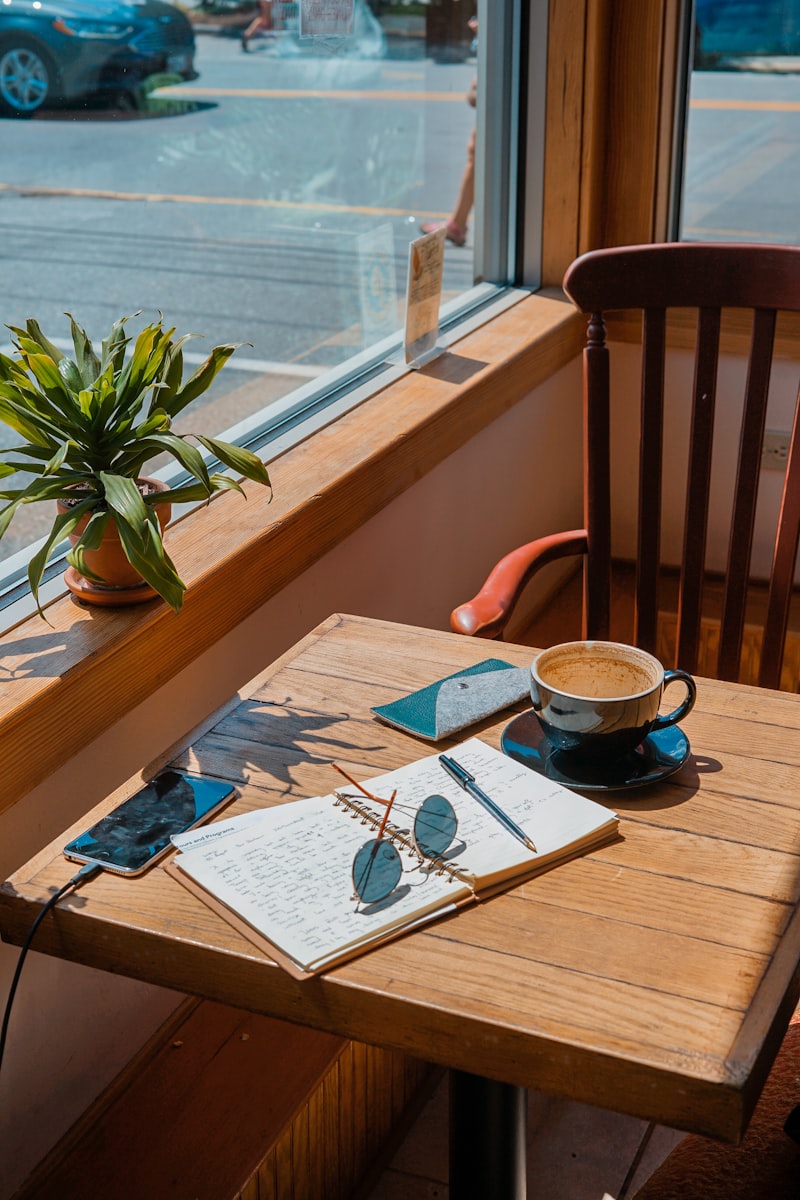
The morning pour-over ritual — a few minutes of focused attention that reward the brewer with clarity, both in the cup and in the mind
Further Reading
- Craft Coffee: A Manual by Jessica Easto — detailed pour-over recipes and technique for V60, Chemex, and Kalita Wave
- The World Atlas of Coffee by James Hoffmann — comprehensive guide to brewing methods and the science behind them
- Barista Hustle Percolation Guide — advanced extraction theory for pour-over brewing
Related Topics
What is Coffee Brewing?
Coffee brewing extracts soluble flavour from roasted grounds using water — and grind size, temperature, time, and ratio all determine whether the cup sings or disappoints.
getting-startedEspresso
Espresso forces near-boiling water through finely ground coffee at 9 bars of pressure — producing concentrated, crema-topped shots in 25 to 30 seconds.
getting-startedFrench Press
French press coffee steeps ground beans in hot water for 4 minutes, producing rich, full-bodied cups with velvety texture and deep, rounded chocolate flavour.