 English
  Українська
  Čeština
 Fermentation has always been part of coffee processing. Every washed, natural, and honey-processed coffee undergoes some form of fermentation — microorganisms breaking down sugars in the cherry mucilage, generating acids, alcohols, and aromatic compounds that shape the final cup. But for most of coffee’s commercial history, fermentation was something that happened to coffee, not something that was designed. Producers controlled time and temperature loosely, if at all, and the microbiome was whatever wild yeasts and bacteria happened to be present.
That has changed. Over the past decade, a wave of innovation borrowed largely from winemaking has transformed fermentation from an incidental step into a precision tool — one that can be measured, replicated, and manipulated to produce specific flavour outcomes. This revolution in controlled fermentation is the most significant development in coffee processing since the invention of mechanical depulpers, and understanding it is essential for anyone who wants to keep pace with where specialty coffee is heading.
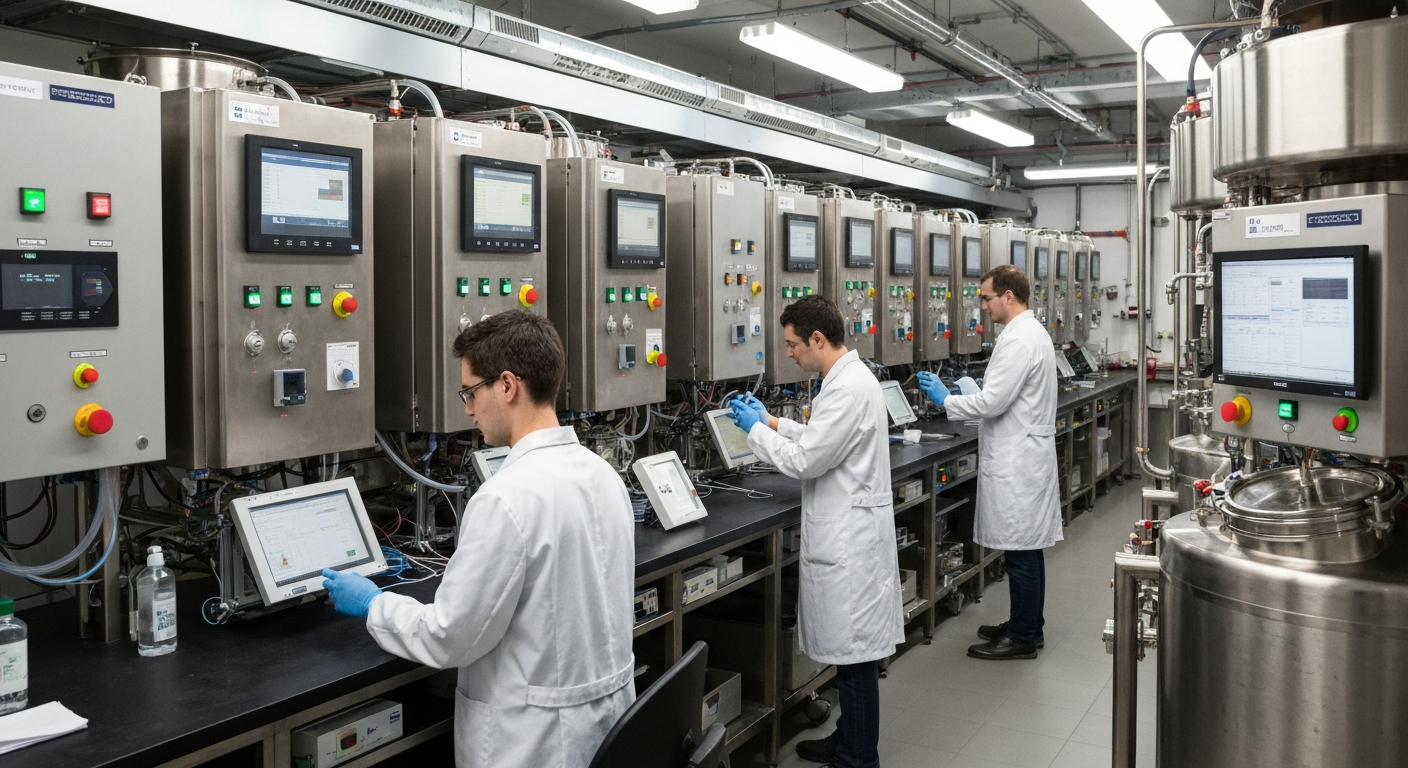
Precision fermentation — sealed tanks with monitoring equipment allow producers to control every variable from pH to temperature
The Science of Coffee Fermentation
All coffee fermentation involves microorganisms — yeasts, lactic acid bacteria (LAB), acetic acid bacteria (AAB), and others — metabolising the sugars present in coffee cherry mucilage. The metabolic byproducts of this activity are what shape fermentation-driven flavour. Lactic acid contributes a creamy, rounded mouthfeel and yogurt-like tang. Acetic acid, in moderation, adds brightness and vinous complexity; in excess, it creates harsh vinegar notes. Esters — volatile aromatic compounds produced by yeast metabolism — are responsible for the fruit-bomb aromatics that have come to define modern experimental processing: banana, strawberry, tropical fruit, bubble gum.
The key variables that producers can manipulate are:
- Oxygen: Aerobic (open) vs. anaerobic (sealed) environments favour different microbial populations and produce fundamentally different metabolic pathways
- Temperature: Higher temperatures accelerate fermentation but risk volatile, uncontrolled flavour development; lower temperatures slow the process, allowing more nuanced compound formation
- Duration: From 12 hours to over 200 hours — longer fermentation generally produces more intense flavour, but with diminishing returns and increasing risk of defects
- pH: Tracked continuously in precision operations; the rate and endpoint of pH decline indicate which acids are being produced and in what proportions
- Microbial population: Wild (ambient) vs. inoculated (specific yeast or bacteria strains introduced deliberately)
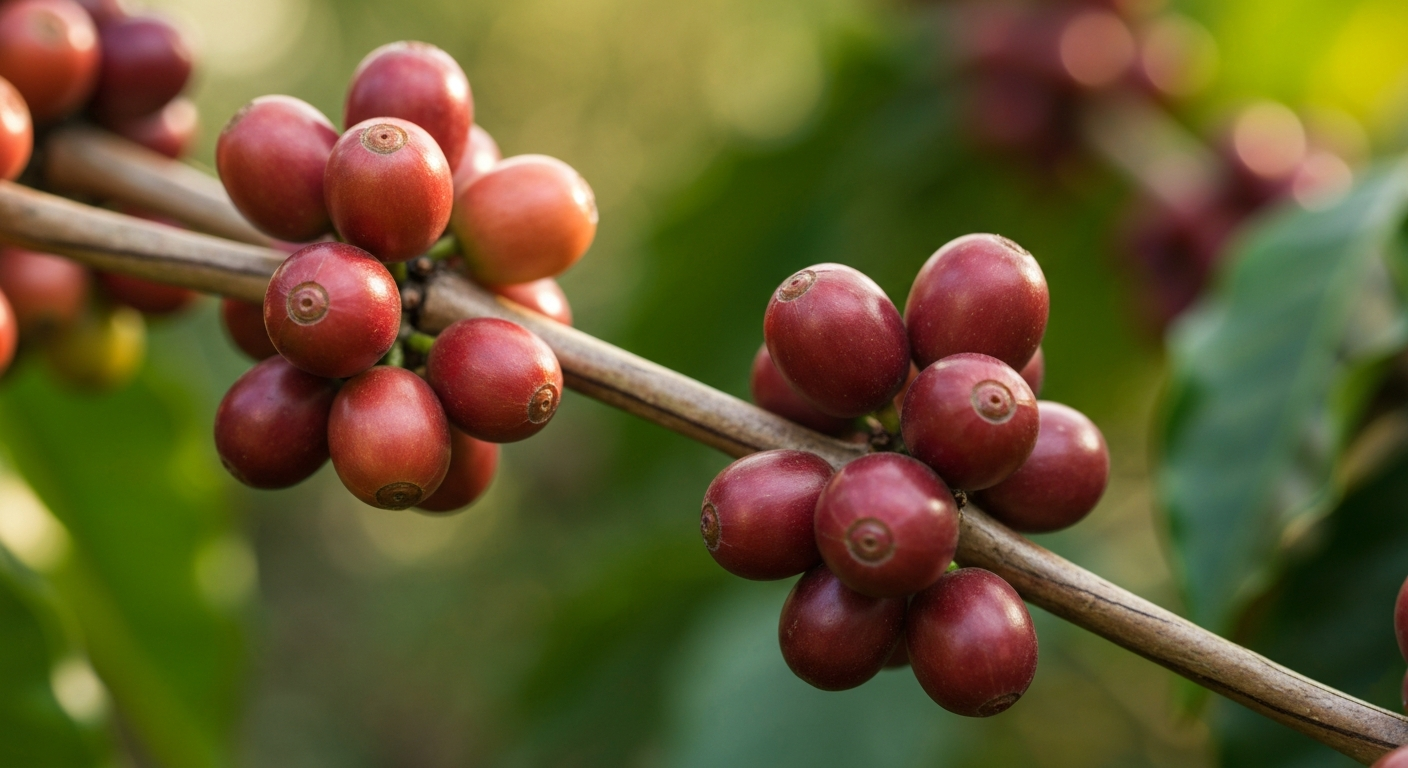
Cherry quality at intake is the ceiling — no amount of fermentation expertise can rescue poorly grown or underripe fruit
Lucia Solis, a former winemaker who has become specialty coffee’s foremost fermentation consultant, emphasises that “fermentation is not a magic trick — it is an amplifier. It amplifies what is already in the coffee. If the raw material is excellent, controlled fermentation can make it transcendent. If the raw material is mediocre, fermentation will amplify mediocrity.”
Carbonic Maceration
Carbonic maceration is perhaps the most celebrated wine-to-coffee technique transfer. Borrowed from Beaujolais winemaking, the method places whole, intact coffee cherries into sealed tanks that are then flushed with carbon dioxide to create a pressurised, oxygen-free environment.
The critical distinction from standard anaerobic fermentation is that fermentation begins inside the intact cherry, driven by intracellular enzymes rather than external microorganisms. This intracellular fermentation produces a different spectrum of volatile compounds — particularly ethyl cinnamate and damascenone, which contribute floral and red-fruit aromatics.
Sasa Sestic’s 2015 World Barista Championship victory using a carbonic maceration lot from Colombia brought the technique to global attention. The coffee — a washed Bourbon from Finca Las Margaritas — presented flavours of raspberry, rosé wine, and pink peppercorn that the judges had never encountered in coffee before. Since then, carbonic maceration has been adopted by progressive producers across Colombia, Costa Rica, Ethiopia, and beyond.
The flavour signature of carbonic maceration is distinct even within the broader family of controlled fermentation: juicy, intensely fruity, with pronounced red-berry and stone-fruit character, a silky body, and a wine-like tannic structure on the finish. Well-executed carbonic maceration lots are among the most complex and rewarding coffees available today.
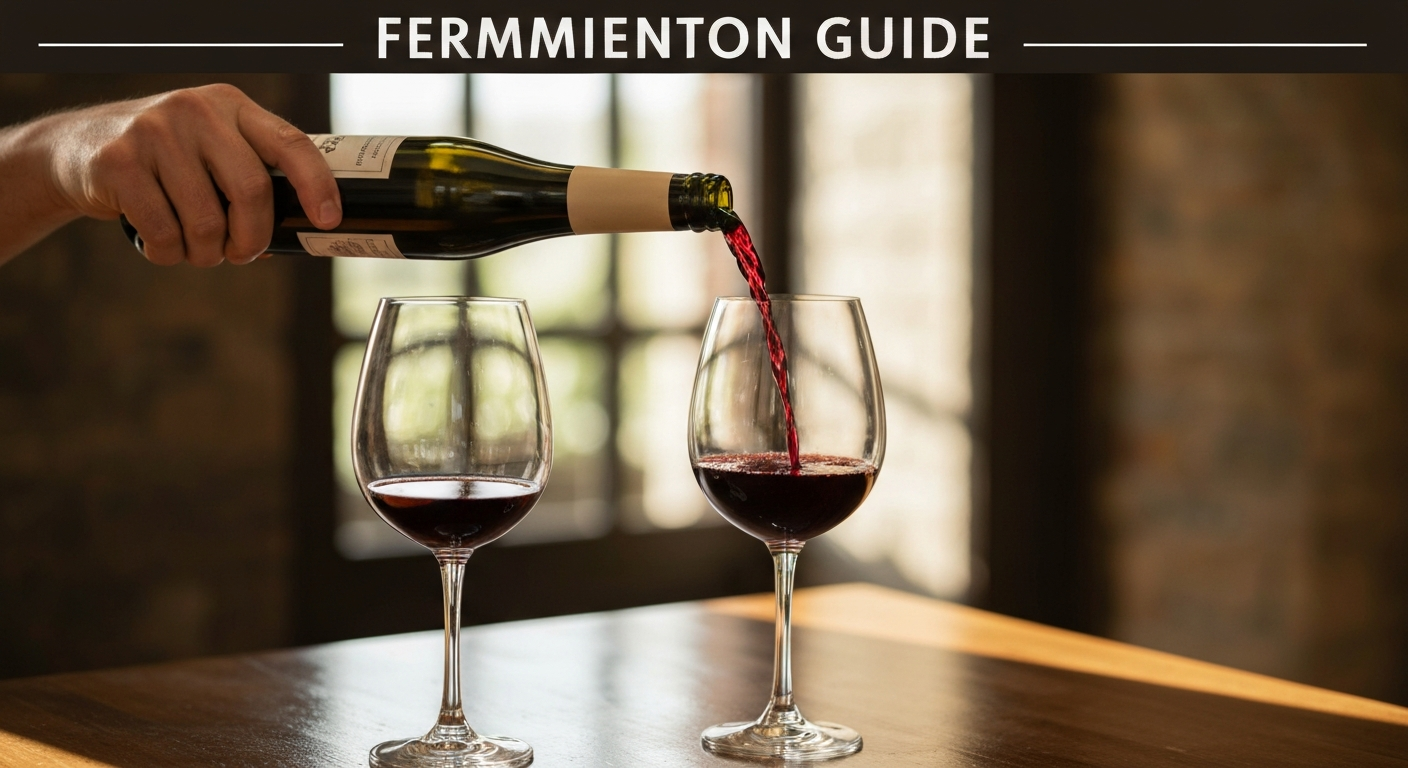
The wine connection — carbonic maceration produces coffee with tannic structure and fruit complexity borrowed directly from Beaujolais winemaking
Inoculated Fermentation
One of the most significant — and controversial — developments in controlled fermentation is yeast inoculation: the deliberate introduction of specific yeast strains into the fermentation vessel to steer flavour outcomes.
In traditional coffee processing, fermentation is driven by whatever wild yeasts and bacteria are present in the environment — on the cherry skin, in the air, on the processing equipment. This produces variable results, because the microbial population shifts with season, weather, and hygiene conditions. Inoculated fermentation replaces this variability with consistency by introducing a known, characterised yeast strain that dominates the fermentation.
Companies like Lallemand (a major wine yeast supplier) and Lam International have developed yeast strains specifically for coffee fermentation. Strains like Saccharomyces cerevisiae var. bayanus — the same species used in Champagne production — produce clean, fruity esters without the wild variability of ambient fermentation. Some producers use Pichia kluyveri, a non-Saccharomyces yeast that generates tropical fruit esters, or proprietary blends designed for specific flavour targets.
The controversy centres on authenticity. Critics argue that inoculated fermentation makes different origins taste similar — that a yeast-driven tropical fruit bomb from Colombia is interchangeable with one from Ethiopia, undermining the origin-transparency that specialty coffee has spent decades building. Proponents counter that winemakers have been selecting yeasts for centuries without anyone claiming that Burgundy and Barolo lack terroir. The debate mirrors the broader terroir discussion that anaerobic processing has ignited.
Extended Fermentation
Extended fermentation pushes duration beyond traditional norms — sometimes dramatically. While conventional washed processing ferments for 12 to 36 hours, extended fermentation protocols can run for 72, 120, or even 200+ hours, either aerobically or anaerobically.
The logic is that longer fermentation allows more complete sugar metabolism and more complex compound formation. In practice, the results are highly dependent on temperature control. At ambient tropical temperatures (25–30°C), extended fermentation quickly produces acetic acid and harsh, vinegary off-notes. At controlled lower temperatures (12–18°C, maintained with refrigeration or cool mountain nights), the process slows dramatically, and the gradual, complete metabolism of sugars produces clean, layered, deeply complex cups.
Some of the highest-scoring Cup of Excellence lots in recent years have used extended cold fermentation — 96 to 150 hours at 15°C or below — producing coffees with extraordinary depth, silky body, and a flavour complexity that unfolds over multiple sips. The technique demands infrastructure (refrigeration), monitoring (continuous pH and temperature logging), and patience — but the results can be remarkable.
Thermal Shock Fermentation
A newer technique gaining traction is thermal shock — rapidly cycling fermentation temperatures between hot and cold to stress the microbial population and trigger different metabolic pathways at different stages. Inspired by practices in craft brewing and natural winemaking, thermal shock can produce unconventional flavour combinations — savoury notes alongside bright fruit, or umami depth in coffees that are otherwise explosively floral.
This technique is still experimental and inconsistent, but it represents the cutting edge of fermentation innovation and illustrates how rapidly the field is evolving.
From tank to cup — controlled fermentation demands precision at every stage, from cherry selection to final extraction
Quality Considerations
Controlled fermentation is a powerful tool, but it carries risks:
- Defect amplification: If cherries are underripe, damaged, or contaminated, fermentation will amplify those defects. Raw material quality is the non-negotiable foundation.
- Over-fermentation: Pushing too far produces harsh, solvent-like, or vinegary notes that cannot be corrected by roasting. Knowing when to stop is as important as knowing how to start.
- Process dominance: When fermentation character overwhelms origin character, the coffee becomes a showcase of technique rather than terroir. The best producers use fermentation to reveal what is already in the coffee, not to replace it.
- Reproducibility: Without rigorous monitoring and documentation, even the most impressive experimental lots may be one-offs that cannot be replicated. Consistency is the hallmark of mastery.
The Future of Fermentation
Controlled fermentation is not a trend — it is a fundamental shift in how coffee is processed. As Lucia Solis argues, “We are moving from an era of coffee processing as tradition to an era of coffee processing as applied food science. The producers who understand microbiology, biochemistry, and fermentation kinetics will define the next decade of specialty coffee.”
The most thoughtful producers are already finding a middle path — using controlled fermentation not to create the wildest possible flavour explosions, but to enhance and refine the inherent qualities of their terroir. A precisely controlled 72-hour lactic fermentation on a high-altitude Gesha, for example, can amplify floral complexity and add body without drowning the origin character in fruit-bomb intensity. This calibrated approach — where science serves the seed — is likely where the future lies.
Further Reading
- Modulating Coffee Fermentation by Lucia Solis — the definitive practical guide to controlled fermentation in coffee
- The World Atlas of Coffee by James Hoffmann — context on processing innovation and its impact on cup quality
- SCA Research on Fermentation — peer-reviewed studies on fermentation chemistry and sensory impact
- Project Origin — Sasa Sestic’s company, pioneers of carbonic maceration in coffee
- Lallemand Brewing — yeast strains developed for coffee fermentation
Related Topics
What is Coffee Processing?
Coffee processing — washed, natural, honey — transforms harvested cherries into green beans and shapes the cup more than almost any other variable, including roast level.
processAnaerobic Fermentation
A cutting-edge processing innovation where coffee ferments in sealed, oxygen-free tanks — producing intensely fruity, wine-like flavours that are redefining specialty coffee.
processWashed (Wet) Processing
Washed coffee processing removes all fruit before drying to reveal clean, bright cups — floral, terroir-transparent, and prized by the specialty world. The benchmark method.
processNatural (Dry) Processing
Natural processing dries whole coffee cherries in the sun before milling — the oldest method, and the one most responsible for fruity, wine-like, and berry-forward cups.