 English
  Українська
  Čeština
 Papua New Guinea is one of the world’s last great frontier coffee origins. Occupying the eastern half of the island of New Guinea — the second-largest island on Earth — PNG is a place of staggering geographic extremes: volcanic peaks rising above 4,500 metres, dense tropical rainforest, highland valleys accessible only by small aircraft, and over 800 distinct languages spoken by a population of roughly 10 million people. Coffee arrived here relatively recently, introduced by European colonists in the early 20th century, but found conditions so favourable in the central highlands that it rapidly became the country’s most important agricultural export, sustaining an estimated 2.5 million people — nearly a quarter of the population.
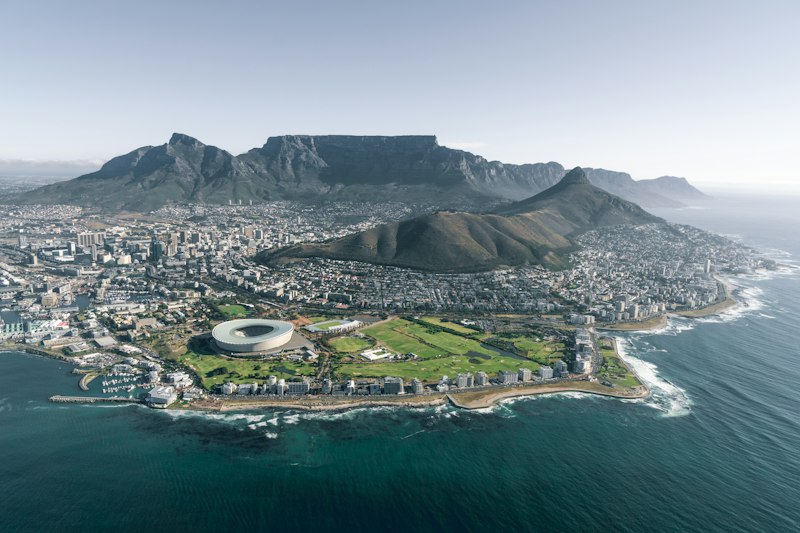
Papua New Guinea’s highland valleys — remote, fertile, and home to some of the world’s most naturally organic coffee
What makes PNG remarkable is not just its quality potential — which is considerable — but the sheer wildness of its production landscape. Most of the country’s estimated 280,000 smallholder coffee farmers cultivate tiny plots (often less than a hectare) in highland gardens alongside sweet potato, taro, and other subsistence crops. There are almost no roads in many growing areas. Chemical inputs are rare — not by conscious marketing decision, but because the logistics of getting fertiliser or pesticide to a garden accessible only by foot trail make it impractical. The result is coffee that is, by default, overwhelmingly organic.
Growing Regions
Coffee production in PNG is concentrated in the central highlands, a spine of elevated valleys running roughly east to west through the island’s interior. The key provinces are Western Highlands, Eastern Highlands, Simbu (Chimbu), and Jiwaka, with growing altitudes typically between 1,400 and 1,900 metres.
The Waghi Valley in the Western Highlands is the historic centre of PNG’s coffee industry and home to the country’s most famous estate: Sigri. Owned by the Carpenter family since the 1950s, Sigri is one of the few large-scale plantations in PNG and has built an international reputation for consistent, clean, well-processed washed coffee. Sigri lots typically display a medium-to-full body, rich chocolate, brown sugar sweetness, and a gentle tropical fruit acidity — mango, papaya, and passionfruit — that is distinctively PNG.
Eastern Highlands and Simbu produce the bulk of smallholder coffee, aggregated through a network of cooperatives and private buyers. Quality varies enormously — from outstanding single-cooperative lots with complex fruit and spice notes to lower-grade blends affected by inconsistent processing. Jiwaka, the country’s newest province (established in 2012), is an emerging quality region that some buyers consider the most exciting terroir in PNG.
PNG coffee is almost entirely Arabica — specifically old Typica stock, Bourbon, and Arusha (a Typica variant that arrived via Tanzania). These traditional varieties, combined with high altitude and volcanic soil, give PNG coffee its characteristic sweetness and complexity.
Varieties
PNG’s varietal landscape is a living museum of traditional coffee genetics. Typica, the original Arabica cultivar that spread from Ethiopia to Yemen to Java and eventually to the Pacific, dominates highland gardens. Many trees are decades old, planted by the grandparents of today’s farmers, and the genetic material has had limited exposure to the modern breeding programmes that have reshaped production in Latin America and parts of Africa.
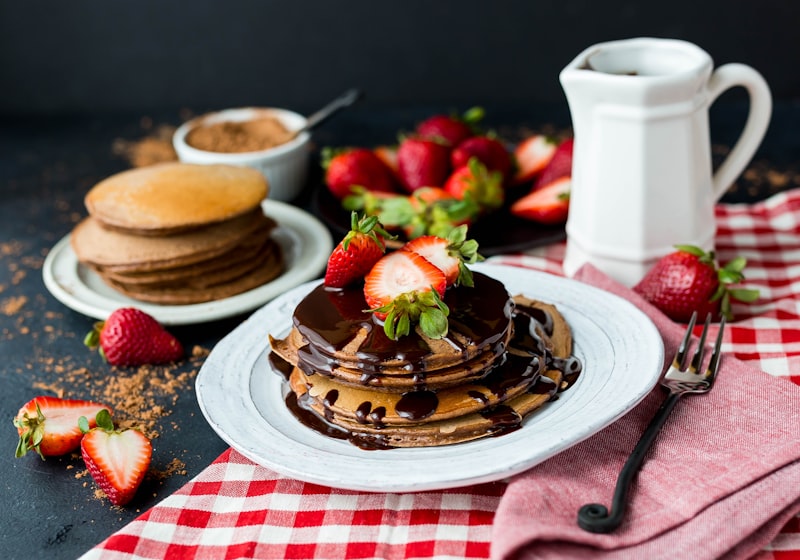
Drying parchment coffee on raised beds — careful post-harvest handling is the difference between exceptional and ordinary PNG coffee
Arusha, a tall, elegant Typica variant that arrived in PNG from Tanzania via Australia in the mid-20th century, is widely planted and produces a clean, sweet cup. Bourbon is present but less common. In recent years, the Coffee Industry Corporation (CIC) has introduced disease-resistant hybrids, but adoption has been slow — farmers in remote areas tend to propagate whatever their parents planted, and replanting decisions are measured in generations, not seasons.
Processing and Quality Challenges
PNG coffee is processed by three routes. Estate-processed washed lots — like those from Sigri — are depulped, fermented, washed, and dried with careful quality control, producing the clean, bright, complex coffees that have earned PNG its specialty reputation.
Smallholder coffee follows a more varied path. Some farmers deliver fresh cherry to cooperative wet mills, where it receives controlled fermentation and washing — these lots can be excellent. But a significant volume is processed at home as “semi-washed” or partially fermented parchment, dried on whatever surface is available (often bare ground), and then sold to roadside buyers. The quality range is vast.
Logistics remain PNG’s greatest challenge. Getting parchment coffee from a highland garden to a dry mill and export warehouse involves foot trails, seasonal roads that wash out in the rainy season, and a supply chain with many intermediaries. Delays introduce defects — over-fermentation, mould, moisture damage. As James Hoffmann notes in The World Atlas of Coffee, “Papua New Guinea remains a country of enormous potential that is still not fully realised, largely because of infrastructure.”
Flavour Profile
When PNG coffee is well-processed, it is magnificent. The classic profile features a medium-to-full body with a buttery, almost syrupy mouthfeel — heavier than a typical East African coffee but lighter than a Sumatran. The acidity is gentle and rounded, more tropical fruit than citric: think ripe mango, papaya, and passionfruit, layered with brown sugar, dark chocolate, and sometimes a savoury herbal note reminiscent of fresh tobacco leaf or cedar.
The best washed lots from estates like Sigri and cooperatives like Kunjin or Kindeng have a balanced elegance that makes them exceptional single-origins for pour-over or French press. Lower-grade PNG coffee — earthy, woody, with rustic charm — works well in blends, adding body and sweetness.
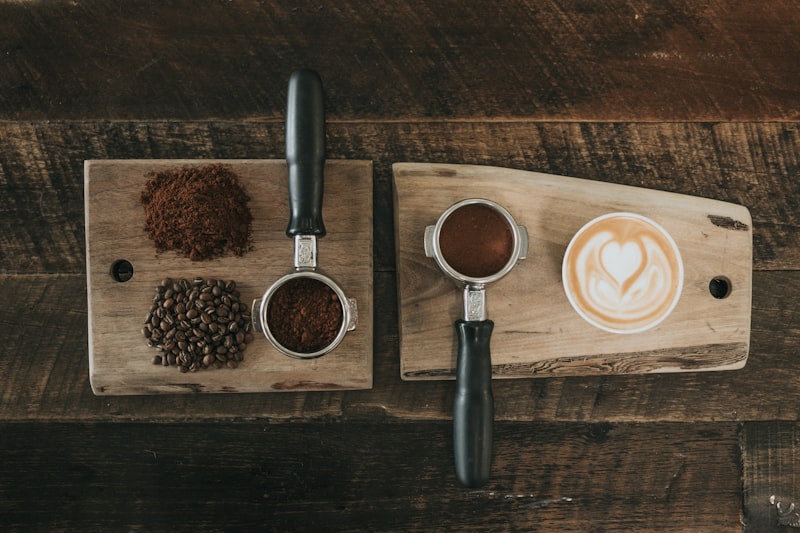
PNG coffee in the cup — expect rich chocolate, tropical fruit, and a buttery mouthfeel that rewards slower brewing methods
Buying Tips
When shopping for PNG coffee, estate names and cooperative identifiers are the best quality signals. Sigri Estate is the most consistent and widely available. Cooperative lots from Kunjin, Kindeng, and Baroida can be outstanding. Look for fully washed processing and harvest dates — freshness matters, as PNG’s remoteness can mean long transit times. Expect to pay a modest premium over commodity pricing but significantly less than comparable quality from East Africa, making PNG one of specialty coffee’s better value propositions.
Further Reading
- The World Atlas of Coffee by James Hoffmann — overview of PNG’s growing regions and quality challenges
- Coffee Industry Corporation (CIC) — PNG’s national coffee authority, research and statistics
- ACIAR — Australian Centre for International Agricultural Research — extensive programmes supporting PNG coffee quality improvement
Related Topics
Indonesia
The world's fourth-largest coffee producer, known for earthy Sumatran coffees and the unique wet-hulled processing method.
varietyTypica
Typica is Arabica's foundational cultivar, known for clean sweetness, silky body, and delicate acidity — the genetic root of most modern coffee varieties worldwide.
getting-startedWhat is Coffee Origin?
Coffee origin is the story of place — altitude, soil, and climate shape every flavour note. From Ethiopian florals to Colombian caramel and Kenyan citrus.
processWashed (Wet) Processing
Washed coffee processing removes all fruit before drying to reveal clean, bright cups — floral, terroir-transparent, and prized by the specialty world. The benchmark method.